Nếu có một điều mà mọi chủ sở hữu website đều mong muốn kể từ buổi bình minh của internet, thì đó chính là có thêm nhiều lưu lượng truy cập.
Nhiều lượt truy cập hơn đồng nghĩa với nhiều người mua sắm hơn, đặt dịch vụ hơn, đọc nội dung của bạn hơn và tạo ra doanh thu. Có hàng chục chiến lược khả thi để thu hút nhiều người hơn đến website của bạn, nhưng việc bạn nên tập trung vào chiến lược nào sẽ thay đổi tùy thuộc vào hoàn cảnh của mình.
Một số chủ website có thể muốn đẩy mạnh SEO, trong khi những người khác có thể cần tập trung vào lưu lượng truy cập mục tiêu mà quảng cáo trả phí có thể mang lại, và cũng sẽ có những người muốn tập trung vào việc đảm bảo lượng truy cập họ đã có sẽ tiếp tục quay lại. Câu trả lời “đúng” phụ thuộc vào chính xác vấn đề mà bạn đang đối mặt.
Dưới đây là 9 tình huống phổ biến nhất có thể đang hạn chế lưu lượng truy cập web của bạn và cách khắc phục chúng:
1. Website của bạn còn mới và có rất ít hoặc không có lưu lượng truy cập
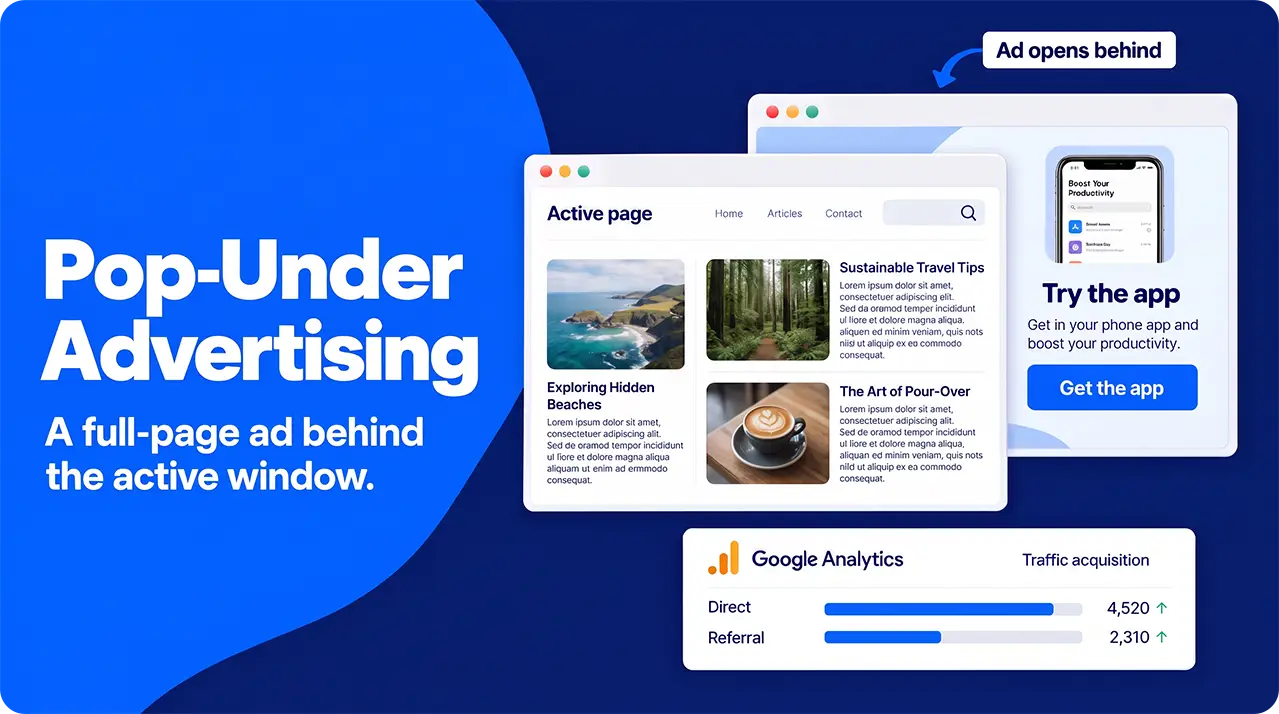
Một trang web mới có thể nhanh chóng thu hút lượng lớn traffic thông qua quảng cáo trả phí, nhưng việc bắt đầu xây dựng một nguồn truy cập bền vững hơn cũng rất quan trọng.
Xác Định Vấn Đề
Đây là vấn đề dễ nhận biết nhất - một website mới khó có thể nhận được nhiều lưu lượng truy cập cho đến khi bạn bắt đầu tiếp thị nó và cho mọi người biết rằng nó tồn tại.
Cách khắc phục
Một website mới là khoảng thời gian đầy hứng khởi đối với người làm marketing — nó mang đến rất nhiều tiềm năng và cơ hội để thực sự định hướng phát triển. Câu trả lời thẳng thắn (dù đơn giản) cho vấn đề này là ở thời điểm hiện tại, bạn thực sự có thể thử bất cứ điều gì và bắt đầu tạo ra thêm một vài lượt truy cập. Tuy vậy, vẫn có một vài chiến lược hợp lý nhất ở giai đoạn đầu này.
Bạn có thể tiếp cận vấn đề này theo hai cách: một giải pháp dài hạn hoặc một cách khắc phục nhanh hơn.
Bạn có thể tiếp cận vấn đề này theo hai cách: một giải pháp dài hạn hoặc một cách khắc phục nhanh hơn.
Mặc dù SEO thường được xem là nguồn lưu lượng truy cập tốt nhất cho các website, với việc riêng Google mang lại gần 63% tổng số lượt truy cập, đây không phải là một quá trình nhanh chóng, và với tư cách là chủ sở hữu một website mới, bạn muốn thấy những kết quả có thể đo lường được ngay bây giờ.
. Không giống như tốc độ tăng trưởng chậm mà ổn định đến từ việc viết blog, quảng cáo trả phí có thể, với ngân sách và nhắm mục tiêu phù hợp, mang lại một làn sóng truy cập gần như ngay lập tức.
Bạn có thể chạy quảng cáo trên mạng xã hội, trong , hoặc dưới dạng quảng cáo banner truyền thống mà tất cả chúng ta đều nghĩ đến khi nghe cụm từ “quảng cáo trực tuyến”. Những quảng cáo này có thể được tạo và nhắm mục tiêu cực kỳ sát theo nhiều tiêu chí khác nhau, biến gần như bất kỳ ai thành khách truy cập website tiềm năng.
Mỗi loại đều có cách sử dụng lý tưởng riêng:
- Quảng cáo tìm kiếm: phù hợp nhất để nhắm mục tiêu theo nhu cầu cấp bách và cho các dịch vụ mà mọi người khó có thể tìm hiểu một cách ngẫu hứng.
- Quảng cáo hiển thị và video: tổng quát hơn. Rất phù hợp để quảng bá một ưu đãi cụ thể, nhắm mục tiêu theo sở thích và xây dựng nhận diện thương hiệu.
- Mạng xã hội: phù hợp nhất để nhắm mục tiêu đến những khách hàng “tương tự” có cùng sở thích với lượng truy cập hiện tại của bạn.
- Awareness Building- though click-through rates are generally pretty low, it’s very hard to ignore a full-page advert entirely.
Việc thiết lập một chiến dịch khá đơn giản: chỉ cần tạo hình ảnh, video hoặc văn bản mà bạn muốn mọi người nhìn thấy bằng bất kỳ phần mềm nào phù hợp, cho các mạng quảng cáo biết bạn muốn hiển thị cho ai và đặt ngân sách trên bất kỳ nền tảng nào bạn đang sử dụng.
Chỉ sau vài khoảnh khắc, bạn có thể bắt đầu thấy những lượt truy cập đầu tiên đến từ quảng cáo của mình. Có rất nhiều sắc thái và tinh chỉnh mà bạn có thể thực hiện, và chúng tôi đề cập trong của chúng tôi, nhưng quy tắc chung là ngân sách càng lớn thì bạn sẽ nhận được càng nhiều lượt nhấp.
Nhược điểm của tất cả sự linh hoạt và tốc độ này là chi phí và lượng giám sát cũng như thử nghiệm mà bạn phải thực hiện để có kết quả tốt nhất. Vì thông thường bạn được tạo ra, một chiến dịch thành công có thể nhanh chóng trở nên tốn kém. Nếu chiến dịch của bạn dường như không tạo ra nhiều lượt nhấp, việc thử nghiệm và tinh chỉnh có thể khá tốn thời gian.
What Does Pop-Under Traffic Look Like In Your Analytics and How Should You Monitor Success?
Google Analytics 4 doesn’t have a category specifically for pop-under traffic, so your visitors might appear in a couple of different ways, depending on how you’ve set up your campaign.
If you’ve not set up tracking specifically for your pop-unders (usually through embedding tracking data in your URLs- there are tools which can help you create these), they’ll show up as “direct” traffic, or might show up as a “referral” from your chosen advertising network’s domain.
In terms of tracking the success of your campaigns, we’re not just looking at raw traffic numbers, though; we need some understanding of how people reacted to your pop-unders. This is best monitored through your reach/impressions and bounce rates. You should also keep a close eye on how many people go from your pop-under prelander (a landing page which is designed to drive people to a landing page) to your site proper.
How To Set Up Pop-Under Campaigns
Setting up a pop-under campaign is relatively straightforward. There are 6 steps to follow:
- Build your page.
Pop-unders work by opening a new page under the one your target viewer is already browsing, so the first step is designing the page you want them to see. All the usual design rules and best practice tips apply- they should be relatively clean, quick-loading, and easy to read at a glance. Rather than directing people straight to an already existing landing page, it’s better to “warm them up” with a prelander- think of it as a landing page for your landing page. - Find An Ad Network.
There are a few ad networks out there that specialize in pop-under traffic generation. Shop around a little to see who can offer you the best deal in terms of features, targeting, and, naturally, cost. - Set up your campaign.
Follow your chosen ad network’s instructions, pasting in your URL and any tracking tags that you’re using. - Set your bidding and pricing model.
Depending on your advertising goals and what your chosen network offers, you might want to pay per impression (best for mass-appeal campaigns and awareness building) or pay per action (best for things like app downloads, mailing list sign-ups, etc). - Configure your targeting and frequency capping.
Pop-unders are great for targeting by device and browser types, allowing you to target the people most likely to take an action. If you’re aiming for app downloads, target mobile users. If you’re trying to get people to use your browser extension, target users of that browser, etc.
You can also set a limit for how many times a single person will be shown your ad in a given timeframe. Most commonly, this puts a hard limit of one impression per person per day, as this balances awareness raising with avoiding ad fatigue. - Fund your campaign and launch it.
Once you’re happy with your campaign, launch it. Check your ad network dashboard and Google Analytics regularly to monitor success and make adjustments to timing, targeting, and other features of your campaign as necessary.
Common Mistakes With Pop-Under Advertising
There are three common mistakes that people make while setting up their pop-under campaigns: ignoring frequency caps, poor targeting, and skipping the prelander page.
Firstly, skipping the prelander page in favor of directing people to your main site totally ignores the fact that the person wasn’t actively looking to visit your page. Dropping them straight into a demand is likely to put them off converting. Instead, you should “warm” them up with a prelander page, explaining your offering and guiding them through to your main site where they can do whatever you want them to, should they be interested.
Frequency caps allow you to avoid paying twice for reaching any given individual. A person is only likely to convert once, so reaching someone multiple times in a single day is a waste of your budget that could be better spent targeting more people.
Finally, pop-under campaigns work best when targeted fairly closely. There’s simply no point in telling a Firefox user about a Chrome extension, or advertising your sale in Delhi to someone in Edinburgh. While some industries can be a bit more relaxed about this, for the vast majority of us, some targeting is necessary for useful results.
2. Trang web có lượng truy cập phù hợp, nhưng cần tiếp cận nhiều người hơn
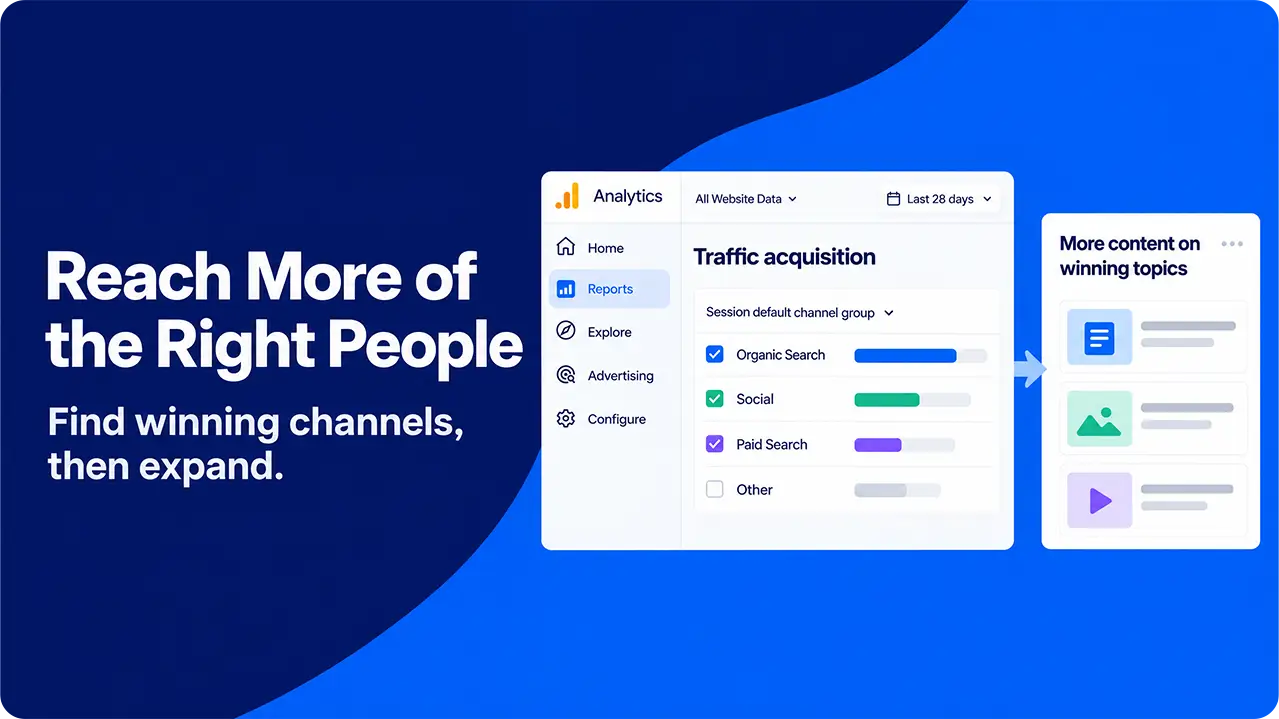
Phân tích là chìa khóa để hiểu điều gì đang tạo ra lưu lượng truy cập cho bạn. Hãy sử dụng chúng để nhân rộng những nỗ lực thành công nhất của bạn và loại bỏ việc phỏng đoán. Bạn cũng có thể sử dụng mạng xã hội và tiếp thị liên kết để mở rộng phạm vi tiếp cận đến các đối tượng phù hợp.
Xác định vấn đề
Chúng ta thường có thể xác định lưu lượng truy cập mà mình đang nhận được có “liên quan” hay không bằng cách so sánh số lượng khách truy cập với số người thực hiện hành động mà chúng ta muốn họ làm. Đó có thể là mua hàng, đăng ký nhận bản tin hoặc đơn giản là đọc blog của chúng ta — dù là gì đi nữa, hai con số này càng gần nhau thì lưu lượng truy cập càng liên quan. Bạn có thể sử dụng các công cụ phân tích để tìm ra điều này.
Nếu chúng ta nhận thấy lưu lượng truy cập đó có liên quan nhưng thấp hơn mức mong muốn, chúng ta có thể xem xét nguồn mà lưu lượng đó đến từ đâu và bắt đầu xây dựng chiến lược để thu hút thêm.
Nếu chúng ta nhận thấy lưu lượng truy cập đó có liên quan nhưng thấp hơn mức mong muốn, chúng ta có thể xem xét nguồn mà lưu lượng đó đến từ đâu và bắt đầu xây dựng chiến lược để thu hút thêm.
Cách khắc phục
Nếu website của bạn đã được xây dựng vững chắc và đang thu hút lượt truy cập từ đúng đối tượng nhưng bạn muốn nhiều traffic hơn, bạn có nhiều lựa chọn. Trên thực tế, đây là một tình huống khác mà bạn có thể triển khai gần như bất kỳ hình thức tiếp thị số nào và thấy một số kết quả.
Để xác định chiến lược phù hợp nhất trong tình huống này, nơi đầu tiên bạn nên tìm đến là bộ công cụ phân tích của mình. Từ đó, bạn sẽ có thể xác định cách mọi người tìm thấy trang web của bạn và kênh tiếp thị nào đang thu hút họ - các báo cáo mà công cụ này tạo ra chứa đầy những insight như người dùng tìm thấy website của bạn từ đâu, họ ở lại bao lâu sau khi tìm thấy nó và họ đang xem những trang nào.
Thông tin liên quan nhất ở đây sẽ là họ đang nhấp vào liên kết của bạn từ đâu. Với dữ liệu này trong tay, bạn có thể quyết định liệu mình muốn mở rộng sang kênh mới hay tăng cường đầu tư vào kênh thành công nhất của mình. Hướng dẫn của chúng tôi về cách sử dụng công cụ phân tích để hỗ trợ quá trình ra quyết định và cuối cùng nhân rộng nỗ lực tiếp thị của bạn có thể giúp bạn xác định nơi nên tập trung.
Giả sử phần lớn traffic của bạn đến từ các tìm kiếm trên Google. Điều này cho thấy chiến lược SEO của bạn đang đi đúng hướng, nhưng vì bạn muốn có nhiều traffic này hơn, bạn sẽ phải tạo ra nhiều nội dung hơn - điều đó có nghĩa là xem xét các trang thành công của bạn (như được thể hiện trong công cụ phân tích) và cố gắng tái tạo những yếu tố đã khiến chúng thành công về mặt chủ đề và cấu trúc. Nếu blog dường như thu hút nhiều sự chú ý hơn, hãy viết nhiều hơn, mở rộng từ những nội dung bạn đã có trước đó. Nếu các landing page của bạn đang mang lại kết quả, hãy nghĩ cách viết thêm để nhắm đến những truy vấn tương tự nhưng hơi khác một chút.
Điều này có nghĩa là xem xét chủ đề và cấu trúc của nội dung thành công của bạn, sau đó áp dụng chúng cho nhiều nội dung hơn, mở rộng dần một chút mỗi lần để tránh lặp lại chính mình. Hãy đảm bảo rằng các từ khóa chính có liên quan đến những trang thành công của bạn nhưng không hoàn toàn giống nhau để tránh tự cạnh tranh kết quả của chính mình.
Ngoài ra, các nguồn như mạng xã hội và liên kết affiliate, cả hai đều tập trung vào mức độ liên quan của traffic mà chúng tạo ra hơn là số lượng lớn, có thể là lựa chọn tốt hơn để mở rộng phạm vi tiếp cận của bạn. Cả hai đều đi kèm với một mức độ đối tượng có sẵn nhất định và cho phép bạn nhắm mục tiêu đến những người “giống” với traffic hiện tại của bạn. Điều này cho bạn quyền tiếp cận một thị trường có điểm chung với khách hàng hiện tại của bạn. Chúng tôi có các hướng dẫn về cách sử dụng mạng xã hội và tiếp thị affiliate để tăng lưu lượng traffic của bạn.
Và tất nhiên, luôn có lựa chọn đơn giản là chạy thêm quảng cáo, nhắm mục tiêu mọi người theo vị trí hoặc sở thích, để tăng lượng traffic liên quan tìm đến website của bạn.
- Reduces Banner Blindness- people are so bombarded with traditional ads that they generally filter out most of them. Native advertising doesn’t look like an ad and generally offers a bit more depth than simply screaming “buy now”, making it great for actually earning some engagement.
- Avoids Annoying Potential Customers- banners and other “intrusive” forms of digital advertising disrupt people’s browsing. Native advertising aims to become part of their browsing.
- High Engagement and Click-Through - By appearing like just another piece of content, native advertising offers far better engagement rates than something like a display ad and can generate a better click-through rate than many other types of paid ads.
- Beats Ad Fatigue- by offering some real value on top of their use as an advert, native ads bypass the habit of viewing adverts as an annoyance and encourage engagement.
- Privacy-friendly and Helps Build Trust- as native ads are related to the type of content that people are already consuming, they don’t rely on privacy-invading cookies and can help build trust with your audience.
- Bypass Ad Blocks- content-based native advertising, such as advertorials, doesn’t trigger ad blockers, so your message is more likely to be consumed.
What Does Native Advertising Look Like In Your Analytics and How Should You Monitor Success?
Native advertising is slightly trickier to track than some other forms of marketing. Exactly how it appears in your analytics will vary from type to type:
- Content-based: For advertorials and other content-based native advertising, you might be limited to checking the referrals to gauge how many people have clicked your links- they’re effectively just posts on their website after all. Whoever hosts your content should be happy to share their metrics with you if you want to dig a little deeper.
- Network-based: For native advertising such as search ads, suggested content ads or similar, they will appear in the Paid Other, Display or Social sections of your reports, depending on where they were displayed.
In terms of measuring the success of a given piece of native advertising, there are a few key metrics to keep an eye on:
- Viewability: A measurement of whether or not 50% of your ad was displayed for a second or more. A higher score here means that there was more chance that your offering was seen and digested by the viewer.
- CTR- setting up a unique URL on each of your native ads, regardless of type, allows you to find out exactly which ones have been most successful.
- Engagement: depending on how you’ve set up your native advertising campaign, you might be able to get insights into bounce rate and other engagement metrics from your partners. These allow you to judge how well people are taking in your messaging.
- Conversion rate: how many people take in your ad and then go on to do the thing you wanted them to.
How to Set Up a Native Advertising Campaign
There are two main ways of getting started with a native advertising campaign: reaching out directly or working with an agency.
If you’re working directly with a host website to create advertorials, simply reach out to them and work out the terms that you’re both comfortable with. They may offer to write them for you or could accept them as a guest post. Work closely with them to ensure that your content matches the tone, purpose and feel of their site while still meeting your advertising goals.
Alternatively, partner with a specialist agency that can cover creating your content and partnerships with distributors on your behalf, while still allowing you to retain control. Most agencies will also give you far more detailed analytics reports, allowing you to refine your efforts more carefully.
Common Mistakes With Native Advertising
While native advertising allows you to reach people when they’re not particularly in the mood to be advertised to, this is as much a potential weakness as a strength. Pushing a “salesy” text on someone who’s simply looking for some information is likely to be a turn-off and result in them navigating away.
A more subtle approach is necessary to get results- aim to inform and entertain the people who are consuming your content rather than push a hard sell on them. Native ads offer a fantastic way to warm up traffic before they even realise that they’re being advertised to.
Another common issue is neglecting the pre-campaign research. You need to have a decent understanding of who you’re targeting, what they want to see and what your competitors are doing before you start creating your campaigns. This allows you to target various buyer personas separately, producing content that appeals to them more directly.
Finally, a lack of transparency often trips up native campaigns. Many countries require adverts to be declared by law, marking them out as not just another piece of content. This applies to paid partnerships with publishers, working with influencers and anything else that might not instantly seem like an advert to someone only glancing at it casually.
3. Lưu lượng truy cập trang web đã giảm
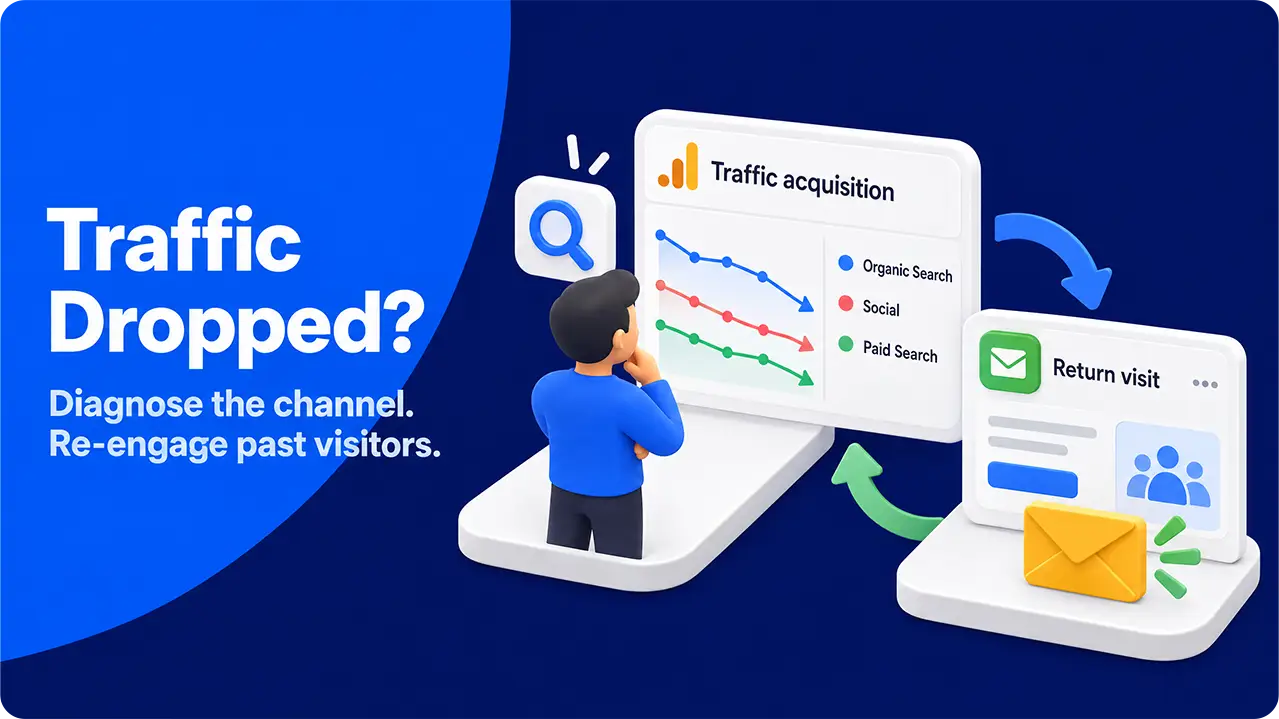
Lưu lượng truy cập có thể thay đổi vì nhiều lý do, vì vậy điều quan trọng là phải đảm bảo rằng chiến lược tiếp thị của bạn đa dạng nhất có thể. Để có kết quả nhanh chóng, hãy cân nhắc tiếp thị lại đến những khách truy cập trước đây thông qua quảng cáo hoặc email.
Xác định vấn đề
Sự sụt giảm lưu lượng truy cập website sẽ hiển thị trên bảng điều khiển phân tích của bạn. Các báo cáo bạn tìm thấy ở đó sẽ cho bạn biết chính xác những luồng nào đã thay đổi và từ đây, bạn có thể bắt đầu ghép nối các dữ kiện để hiểu tại sao chúng lại thay đổi.
Cách khắc phục
Đôi khi, những gì từng hiệu quả dường như không còn tác dụng nữa và lưu lượng truy cập website của bạn sẽ giảm. Có thể có vô số lý do đằng sau điều đó; phổ biến nhất là:
What do Push Ads Look Like In Your Analytics and How Should You Monitor Success?
Google Analytics 4 can track push ads in various ways, depending on how they’re set up.
Ideally, your push ads will link to a “tagged” URL that will allow you to monitor exactly which ads got the responses you were looking for. Without these extra bits of information in the URL, they’re likely to appear as “referral” or “direct” traffic, alongside everyone who manually entered your web address or clicked a link pointing towards your page.
While it may not be quite as accurate as a properly tagged push ad, you can get a good sense of how successful any particular untagged ad has been by comparing your traffic numbers to the time that you sent the push notification out. As the response tends to be quick, a sudden jump that corresponds to your ad hitting people’s phones suggests that it has had the desired effect.
In terms of measuring how successful a particular push ad has been, there are a few metrics to examine, which, as a list-based system, share a lot of ground with email marketing:
- Thay đổi thuật toán: Các công cụ tìm kiếm, mạng xã hội và AI thường xuyên tự cập nhật, làm thay đổi những gì chúng ưu tiên. Nội dung của bạn từng xếp hạng tốt trước đây giờ có thể đã tụt xuống thấp hơn trong danh sách.
- Sự cố theo dõi: Đôi khi, việc cập nhật trang web của bạn có thể gây ra sự cố với phần mềm phân tích. Hãy tự tải trang của bạn lên và xem liệu lượt truy cập của bạn có được ghi nhận hay không.
- Đối thủ cạnh tranh vượt mặt bạn: SEO không đứng yên và nếu bạn đã thành công, rất có thể các đối thủ của bạn đã để ý và bắt đầu sao chép chiến lược của bạn.
How to Set Up a Push Advertising Campaign
Setting up a push advertising campaign is remarkably straightforward. As they’re best used for time-sensitive messaging, most platforms operate a self-service model, giving you access to the tools you need to send out your push notifications and putting you in total control.
You can target by geographic location, device type and operating system, how long someone has been subscribed to your list for, how active they are on your site and filter by how often they’ve been targeted recently (top tip: don’t bombard people’s phones with notifications too often- they’ll simply unsubscribe and avoid you in future).
Finally, create your notification. You generally have a single, short headline, one line of body and an image to grab attention. Focus on urgency with lines such as “time is running out - shop the sale now” or similar messages.
Depending on the platform you’re using and your goals, you may choose from a variety of different payment models:
- Cost per click: similar to most digital advertising- you pay for each click that your notification receives. This is ideal for campaigns that are going out to a lot of recipients, as you only pay for the notifications that got a response.
- Cost per mile: You pay for a set number of deliveries. This is ideal if you’re on a tight budget, as there will be no nasty surprises.
- Cost per action: You only pay for notifications which trigger a specific action (most commonly a sale or a sign-up). This can offer the best ROI, but it comes with limited data on the unsuccessful notifications.
Common Mistakes With Push Adverts
There are three major mistakes that people often make with push adverts that render their campaigns ineffective: not segmenting their audiences, pushing too often and putting out bad texts and images.
Firstly, audience segmentation matters. A generic “visit us now” message sent out to your entire subscriber list is unlikely to tempt anyone to actually visit. Instead, segment your audience by the data that you hold on them. The simplest way to do this is by how long they’ve been subscribed or when they last interacted with your site. This allows you to send a message welcoming recent sign-ups and encouraging them to come back, or retargeting previous customers who haven’t visited recently.
Secondly, while people are glued to their phones, notifications actually trigger a range of responses, from dopamine spikes to anxiety. Targeting the same group repeatedly over too short a time is likely to push their response towards the negative end of this spectrum and result in them blocking further notifications from you.
Lastly, with only a few words and a single image to convey your message, it pays to ensure that every single word is serving a purpose. It’s commonly said amongst copywriters that short-form content is harder to write than long-form for this very reason. An overly generic Call to Action is unlikely to gain much response, but getting too targeted will exclude a large proportion of your potential reach.
4. Lưu lượng truy cập đang tăng, nhưng website lại thu hút nhầm đối tượng
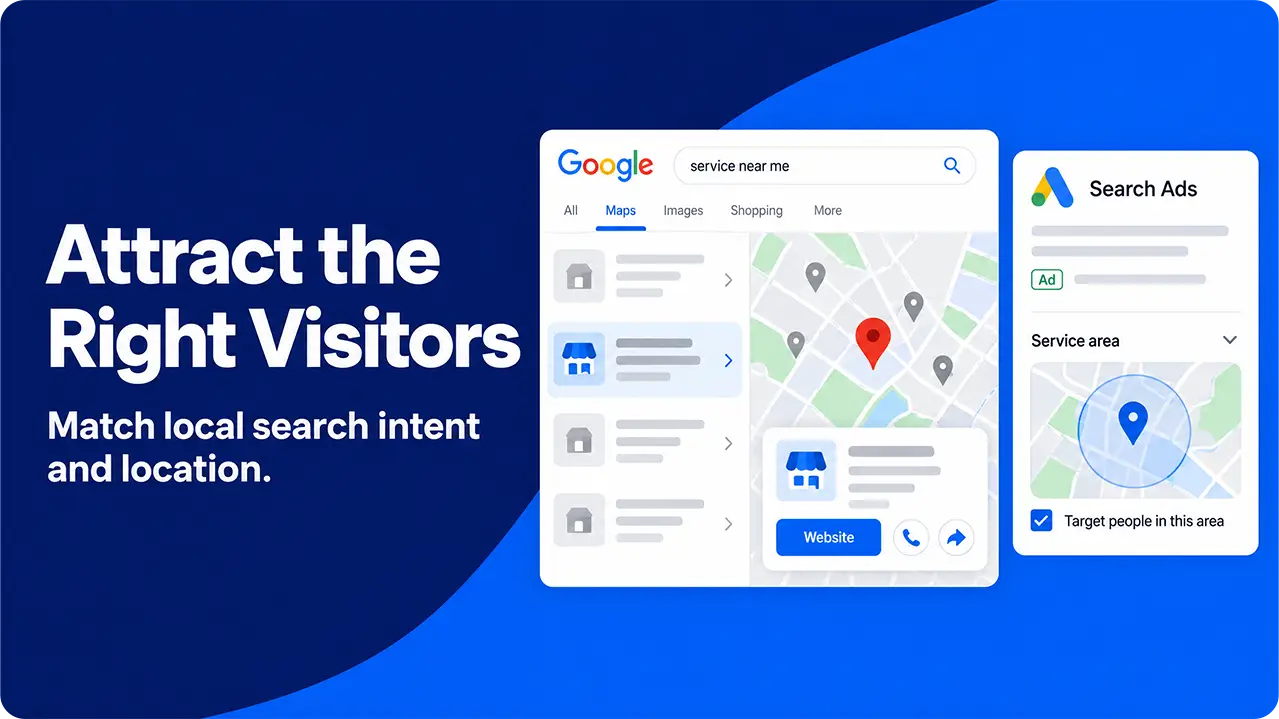
Không phải mọi lưu lượng truy cập đều có giá trị như nhau. Hãy cân nhắc dành thời gian cải thiện SEO địa phương và quảng cáo nhắm mục tiêu, tùy thuộc vào đối tượng tạo nên nguồn lưu lượng truy cập phù hợp nhất với bạn.
Advertising type
Cost
Targeting
Best For
Main Weaknesses
Main Strengths
Intrusitiveness
Pop-Under
Low
Targeted by browser, location and device type
Mass appeal and awareness building
Low user intent results in poor CTRs
Allows a gentle “warming” of potential traffic, meaning they are ready to sign up when they visit.
Relatively low: waits for viewer to finish what they were doing
Native
High initial costs
Vague targeting by interest and curiosity
Awareness and trust building with engaged audiences
Expensive to create and often slow to get publisher approval
Allows a detailed exploration of a topic and avoids the “hard sell” which can turn off customers
Low: appears as a natural piece of content
Push
Varies depending on pricing model selected.
Target by location, age of subscription and previous interactions
Quick results and time-sensitive messages
High opt-out rate and limited content length
Allows urgent messages to be sent and can generate instant results
High: triggers an alert on the desktop or mobile device they’re pushed to
Nếu số liệu phân tích của bạn cho thấy lượng khách truy cập đang tăng lên nhưng bạn không thấy doanh số và lượt đăng ký tăng tương ứng, thì có thể trang web của bạn đang thu hút không đúng đối tượng. Khi đã nhận ra vấn đề này, bạn có thể bắt đầu phân tích ngược các nỗ lực tiếp thị của mình và nhắm mục tiêu chúng sát hơn đến nguồn lưu lượng truy cập phù hợp.