Если и есть что-то, чего хотел каждый владелец сайта с самого зарождения интернета, так это больше трафика.
Больше посещений означает больше людей, совершающих покупки, бронирующих услуги, читающих ваш контент и приносящих доход. Существуют десятки эффективных стратегий для привлечения большего числа людей на ваш сайт, но то, на чем именно вам стоит сосредоточиться, будет зависеть от ваших обстоятельств.
Некоторые владельцы сайтов могут захотеть сделать еще больший упор на SEO, тогда как другим нужно сосредоточиться на целевом трафике, который может принести платная реклама, а третьи захотят сосредоточиться на том, чтобы трафик, который у них уже есть, продолжал возвращаться. «Правильный» ответ зависит от того, с какой именно проблемой вы столкнулись.
Вот 9 самых распространенных ситуаций, которые могут ограничивать ваш веб-трафик, и способы их исправить:
1. Сайт новый и получает мало трафика или не получает его вовсе
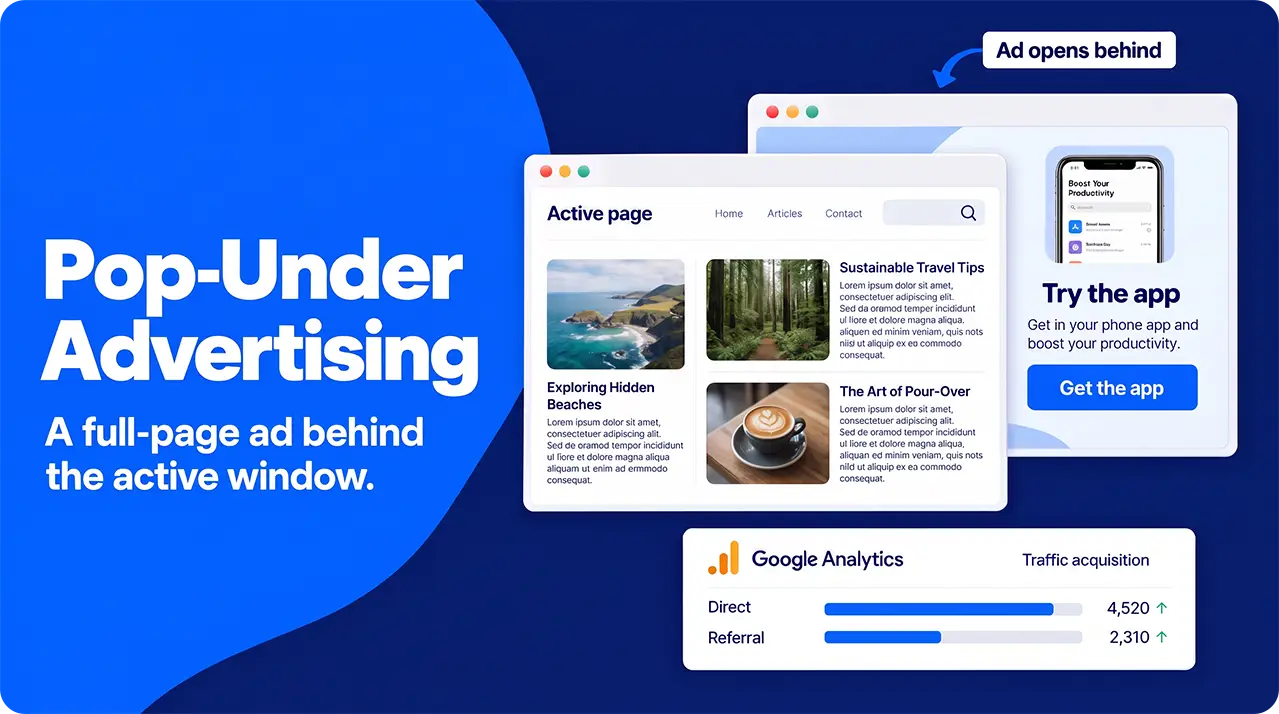
Новый сайт может быстро получить приток трафика с помощью платной рекламы, но также важно начать работать и над более устойчивым источником посещений.
Выявление проблемы
Это самая простая проблема для выявления — новый сайт вряд ли будет получать хоть сколько-нибудь трафика, пока вы не начнёте его продвигать и сообщать людям о его существовании.
Как это исправить
Новый сайт — это захватывающее время для маркетолога: он открывает большой потенциал и даёт возможность действительно задать направление. Честный (пусть и простой) ответ на эту проблему заключается в том, что на этом этапе вы действительно можете попробовать что угодно и начать привлекать ещё несколько посещений. Тем не менее, есть пара стратегий, которые имеют наибольший смысл на этом раннем этапе.
К этой задаче можно подойти двумя способами: долгосрочным решением или более быстрым вариантом.
К этой задаче можно подойти двумя способами: долгосрочным решением или более быстрым вариантом.
Хотя SEO часто называют лучшим источником трафика для веб-сайтов, и один только Google обеспечивает почти 63% всех посещений, это не быстрый процесс, а как новому владельцу сайта вам нужны измеримые результаты прямо сейчас.
. В отличие от медленного, постепенного роста, который дает ведение блога, платная реклама при правильном бюджете и таргетинге может почти мгновенно привести волну посещений.
Вы можете запускать рекламу в социальных сетях, в или в виде традиционных баннерных объявлений, о которых мы все думаем, когда слышим фразу «онлайн-реклама». Их можно создавать и нацеливать с невероятной точностью по самым разным критериям, превращая почти любого человека в потенциального посетителя сайта.
У каждого из них есть свое идеальное применение:
- Поисковая реклама: лучше всего подходит для работы со срочным спросом и для услуг, которые люди вряд ли будут искать спонтанно.
- Медийная реклама и видео: более общий формат. Отлично подходят для распространения информации о конкретном предложении, таргетинга по интересам и повышения узнаваемости бренда.
- Социальные сети: лучше всего подходят для таргетинга на «похожих» клиентов, которые разделяют интересы вашей существующей аудитории.
- Awareness Building- though click-through rates are generally pretty low, it’s very hard to ignore a full-page advert entirely.
Настроить кампанию довольно просто: достаточно создать изображение, видео или текст, которые вы хотите показать людям, в любой подходящей программе, указать рекламным сетям, кому вы хотите это показывать, и установить бюджет на используемой вами платформе.
Уже через несколько мгновений вы можете начать видеть первые визиты, приходящие с вашей рекламы. Здесь есть масса нюансов и возможностей для тонкой настройки, о которых мы рассказываем в нашем, но общее правило таково: чем больше бюджет, тем больше кликов вы получите.
Недостатки всей этой гибкости и скорости — это стоимость, а также объем мониторинга и тестирования, которые необходимы для достижения наилучших результатов. Поскольку обычно вы , успешная кампания может быстро стать дорогостоящей. Если ваша кампания, похоже, не приносит много кликов, тестирование и доработка могут отнимать довольно много времени.
What Does Pop-Under Traffic Look Like In Your Analytics and How Should You Monitor Success?
Google Analytics 4 doesn’t have a category specifically for pop-under traffic, so your visitors might appear in a couple of different ways, depending on how you’ve set up your campaign.
If you’ve not set up tracking specifically for your pop-unders (usually through embedding tracking data in your URLs- there are tools which can help you create these), they’ll show up as “direct” traffic, or might show up as a “referral” from your chosen advertising network’s domain.
In terms of tracking the success of your campaigns, we’re not just looking at raw traffic numbers, though; we need some understanding of how people reacted to your pop-unders. This is best monitored through your reach/impressions and bounce rates. You should also keep a close eye on how many people go from your pop-under prelander (a landing page which is designed to drive people to a landing page) to your site proper.
How To Set Up Pop-Under Campaigns
Setting up a pop-under campaign is relatively straightforward. There are 6 steps to follow:
- Build your page.
Pop-unders work by opening a new page under the one your target viewer is already browsing, so the first step is designing the page you want them to see. All the usual design rules and best practice tips apply- they should be relatively clean, quick-loading, and easy to read at a glance. Rather than directing people straight to an already existing landing page, it’s better to “warm them up” with a prelander- think of it as a landing page for your landing page. - Find An Ad Network.
There are a few ad networks out there that specialize in pop-under traffic generation. Shop around a little to see who can offer you the best deal in terms of features, targeting, and, naturally, cost. - Set up your campaign.
Follow your chosen ad network’s instructions, pasting in your URL and any tracking tags that you’re using. - Set your bidding and pricing model.
Depending on your advertising goals and what your chosen network offers, you might want to pay per impression (best for mass-appeal campaigns and awareness building) or pay per action (best for things like app downloads, mailing list sign-ups, etc). - Configure your targeting and frequency capping.
Pop-unders are great for targeting by device and browser types, allowing you to target the people most likely to take an action. If you’re aiming for app downloads, target mobile users. If you’re trying to get people to use your browser extension, target users of that browser, etc.
You can also set a limit for how many times a single person will be shown your ad in a given timeframe. Most commonly, this puts a hard limit of one impression per person per day, as this balances awareness raising with avoiding ad fatigue. - Fund your campaign and launch it.
Once you’re happy with your campaign, launch it. Check your ad network dashboard and Google Analytics regularly to monitor success and make adjustments to timing, targeting, and other features of your campaign as necessary.
Common Mistakes With Pop-Under Advertising
There are three common mistakes that people make while setting up their pop-under campaigns: ignoring frequency caps, poor targeting, and skipping the prelander page.
Firstly, skipping the prelander page in favor of directing people to your main site totally ignores the fact that the person wasn’t actively looking to visit your page. Dropping them straight into a demand is likely to put them off converting. Instead, you should “warm” them up with a prelander page, explaining your offering and guiding them through to your main site where they can do whatever you want them to, should they be interested.
Frequency caps allow you to avoid paying twice for reaching any given individual. A person is only likely to convert once, so reaching someone multiple times in a single day is a waste of your budget that could be better spent targeting more people.
Finally, pop-under campaigns work best when targeted fairly closely. There’s simply no point in telling a Firefox user about a Chrome extension, or advertising your sale in Delhi to someone in Edinburgh. While some industries can be a bit more relaxed about this, for the vast majority of us, some targeting is necessary for useful results.
2. Сайт получает релевантный трафик, но ему нужно охватить больше людей
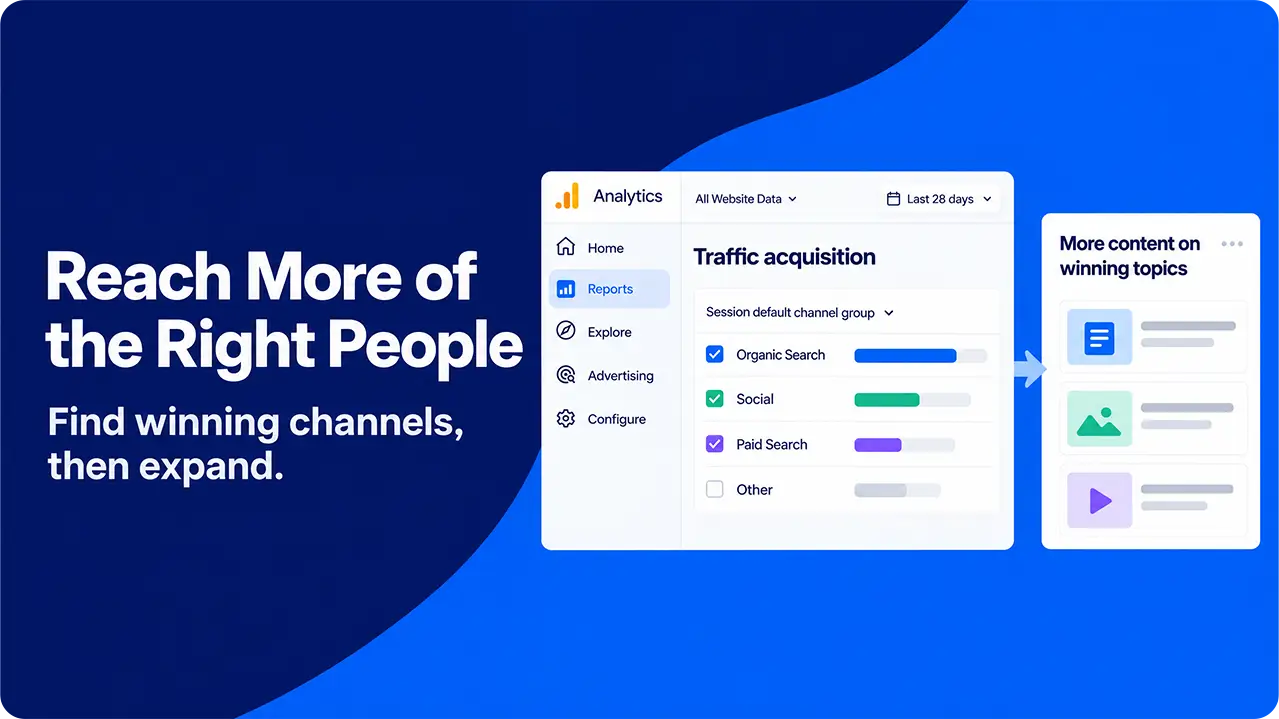
Аналитика — ключ к пониманию того, что приносит вам трафик. Используйте её, чтобы повторять самые успешные действия и избавиться от догадок. Вы также можете использовать социальные сети и партнёрский маркетинг, чтобы расширить охват среди релевантной аудитории.
Выявление проблемы
Обычно мы можем определить, что получаемый нами трафик является «релевантным», сравнивая количество посетителей с числом людей, которые совершают целевое действие, о котором мы их просим. Это может быть покупка, подписка на рассылку или просто просмотр наших блогов — что бы это ни было, чем ближе друг к другу эти два показателя, тем более релевантен трафик. Для этого можно использовать ваши инструменты аналитики.
Если мы видим, что трафик релевантен, но его меньше, чем нам хотелось бы, мы можем посмотреть, откуда он приходит, и начать продумывать стратегию, как получить больше.
Если мы видим, что трафик релевантен, но его меньше, чем нам хотелось бы, мы можем посмотреть, откуда он приходит, и начать продумывать стратегию, как получить больше.
Как это исправить
Если ваш сайт уже хорошо развит и привлекает посещения от релевантной аудитории, но вы хотите больше трафика, у вас есть варианты. На самом деле это ещё одна ситуация, в которой вы потенциально можете использовать почти любую форму цифрового маркетинга и получить некоторые результаты.
Чтобы определить наиболее подходящую стратегию в этой ситуации, в первую очередь стоит обратиться к вашему пакету аналитики. Здесь вы сможете понять, как люди находят ваш сайт и какой из ваших маркетинговых каналов приводит их — создаваемые им отчёты содержат множество ценных данных, например, откуда люди приходят на ваш сайт, как долго они остаются после того, как его находят, и какие страницы просматривают.
Самая важная информация здесь — откуда именно они переходят по вашей ссылке. Вооружившись этими данными, вы сможете решить, хотите ли вы расширяться или удвоить усилия на самом успешном канале. Наше руководство по использованию инструментов аналитики для обоснования ваших решений и, в конечном итоге, многократного усиления маркетинговых усилий поможет вам понять, на чём стоит сосредоточиться.
Допустим, большая часть вашего трафика приходит через поисковые запросы в Google. Это говорит о том, что с вашим SEO всё в порядке, но поскольку вам нужно больше такого трафика, вам придётся создавать больше контента — это означает, что нужно изучить ваши успешные страницы (как показано в аналитике) и попытаться воспроизвести элементы, которые сделали их успешными, с точки зрения тем и структуры. Если блоги привлекают больше внимания, пишите больше, развивая уже опубликованные материалы. Если результаты приносят именно ваши лендинги, подумайте, как можно создать больше контента, ориентированного на похожие, но немного отличающиеся поисковые запросы.
Это означает, что нужно анализировать темы и структуру вашего успешного контента, а затем применять этот подход к новому контенту, каждый раз немного расширяя охват, чтобы не повторяться. Убедитесь, что основные ключевые слова связаны с вашими успешными страницами, но не совпадают с ними полностью, чтобы избежать каннибализации собственных результатов.
В качестве альтернативы такие источники, как социальные сети и партнёрские ссылки, которые делают ставку не на объём, а на релевантность привлекаемого трафика, могут быть лучшим выбором для расширения вашего охвата. У обоих уже есть определённая встроенная аудитория, и они позволяют нацеливаться на людей, которые «похожи» на ваш текущий трафик. Это даёт вам доступ к рынку, у которого есть что-то общее с вашими нынешними клиентами. У нас есть руководства по использованию социальных сетей и партнёрского маркетинга для увеличения потока трафика.
И, конечно, всегда есть вариант просто запустить больше рекламы, ориентируясь на людей по местоположению или интересам, чтобы увеличить объём релевантного трафика, который попадает на ваш сайт.
- Reduces Banner Blindness- people are so bombarded with traditional ads that they generally filter out most of them. Native advertising doesn’t look like an ad and generally offers a bit more depth than simply screaming “buy now”, making it great for actually earning some engagement.
- Avoids Annoying Potential Customers- banners and other “intrusive” forms of digital advertising disrupt people’s browsing. Native advertising aims to become part of their browsing.
- High Engagement and Click-Through - By appearing like just another piece of content, native advertising offers far better engagement rates than something like a display ad and can generate a better click-through rate than many other types of paid ads.
- Beats Ad Fatigue- by offering some real value on top of their use as an advert, native ads bypass the habit of viewing adverts as an annoyance and encourage engagement.
- Privacy-friendly and Helps Build Trust- as native ads are related to the type of content that people are already consuming, they don’t rely on privacy-invading cookies and can help build trust with your audience.
- Bypass Ad Blocks- content-based native advertising, such as advertorials, doesn’t trigger ad blockers, so your message is more likely to be consumed.
What Does Native Advertising Look Like In Your Analytics and How Should You Monitor Success?
Native advertising is slightly trickier to track than some other forms of marketing. Exactly how it appears in your analytics will vary from type to type:
- Content-based: For advertorials and other content-based native advertising, you might be limited to checking the referrals to gauge how many people have clicked your links- they’re effectively just posts on their website after all. Whoever hosts your content should be happy to share their metrics with you if you want to dig a little deeper.
- Network-based: For native advertising such as search ads, suggested content ads or similar, they will appear in the Paid Other, Display or Social sections of your reports, depending on where they were displayed.
In terms of measuring the success of a given piece of native advertising, there are a few key metrics to keep an eye on:
- Viewability: A measurement of whether or not 50% of your ad was displayed for a second or more. A higher score here means that there was more chance that your offering was seen and digested by the viewer.
- CTR- setting up a unique URL on each of your native ads, regardless of type, allows you to find out exactly which ones have been most successful.
- Engagement: depending on how you’ve set up your native advertising campaign, you might be able to get insights into bounce rate and other engagement metrics from your partners. These allow you to judge how well people are taking in your messaging.
- Conversion rate: how many people take in your ad and then go on to do the thing you wanted them to.
How to Set Up a Native Advertising Campaign
There are two main ways of getting started with a native advertising campaign: reaching out directly or working with an agency.
If you’re working directly with a host website to create advertorials, simply reach out to them and work out the terms that you’re both comfortable with. They may offer to write them for you or could accept them as a guest post. Work closely with them to ensure that your content matches the tone, purpose and feel of their site while still meeting your advertising goals.
Alternatively, partner with a specialist agency that can cover creating your content and partnerships with distributors on your behalf, while still allowing you to retain control. Most agencies will also give you far more detailed analytics reports, allowing you to refine your efforts more carefully.
Common Mistakes With Native Advertising
While native advertising allows you to reach people when they’re not particularly in the mood to be advertised to, this is as much a potential weakness as a strength. Pushing a “salesy” text on someone who’s simply looking for some information is likely to be a turn-off and result in them navigating away.
A more subtle approach is necessary to get results- aim to inform and entertain the people who are consuming your content rather than push a hard sell on them. Native ads offer a fantastic way to warm up traffic before they even realise that they’re being advertised to.
Another common issue is neglecting the pre-campaign research. You need to have a decent understanding of who you’re targeting, what they want to see and what your competitors are doing before you start creating your campaigns. This allows you to target various buyer personas separately, producing content that appeals to them more directly.
Finally, a lack of transparency often trips up native campaigns. Many countries require adverts to be declared by law, marking them out as not just another piece of content. This applies to paid partnerships with publishers, working with influencers and anything else that might not instantly seem like an advert to someone only glancing at it casually.
3. Посещаемость сайта снизилась
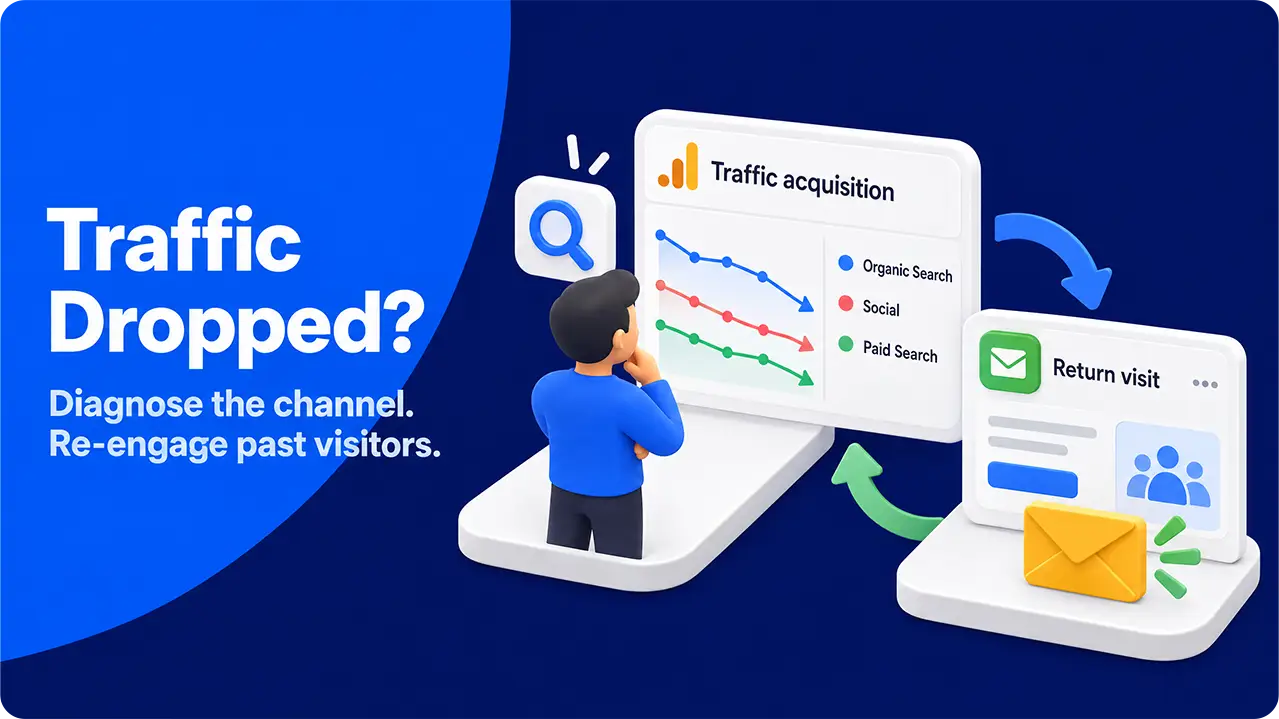
Изменения в потоках трафика могут происходить по многим причинам, поэтому важно сделать ваш маркетинговый микс максимально разнообразным. Чтобы быстро получить результаты, рассмотрите возможность ретаргетинга предыдущих посетителей с помощью рекламы или электронных писем.
Определение проблемы
Падение посещаемости сайта отразится на вашей аналитической панели. Отчёты, которые вы там найдёте, должны точно показать, какие потоки изменились, и отсюда вы сможете начать постепенно понимать, почему они изменились.
Как это исправить
Иногда то, что раньше работало, словно перестаёт работать, и посещаемость вашего сайта падает. За этим может стоять бесчисленное множество причин; наиболее распространённые из них:
What do Push Ads Look Like In Your Analytics and How Should You Monitor Success?
Google Analytics 4 can track push ads in various ways, depending on how they’re set up.
Ideally, your push ads will link to a “tagged” URL that will allow you to monitor exactly which ads got the responses you were looking for. Without these extra bits of information in the URL, they’re likely to appear as “referral” or “direct” traffic, alongside everyone who manually entered your web address or clicked a link pointing towards your page.
While it may not be quite as accurate as a properly tagged push ad, you can get a good sense of how successful any particular untagged ad has been by comparing your traffic numbers to the time that you sent the push notification out. As the response tends to be quick, a sudden jump that corresponds to your ad hitting people’s phones suggests that it has had the desired effect.
In terms of measuring how successful a particular push ad has been, there are a few metrics to examine, which, as a list-based system, share a lot of ground with email marketing:
- Изменения алгоритмов: Поисковые системы, социальные сети и ИИ регулярно обновляются, меняя то, чему они отдают приоритет. Ваш контент, который раньше хорошо ранжировался, теперь может находиться ниже в результатах.
- Проблемы с отслеживанием: Иногда обновление вашего сайта может вызывать проблемы с вашей системой аналитики. Откройте страницу самостоятельно и проверьте, регистрируется ли ваш визит.
- Конкуренты обходят вас в рейтинге: SEO не стоит на месте, и если вы добились успеха, ваши конкуренты, вероятно, уже это заметили и начали копировать вашу стратегию.
How to Set Up a Push Advertising Campaign
Setting up a push advertising campaign is remarkably straightforward. As they’re best used for time-sensitive messaging, most platforms operate a self-service model, giving you access to the tools you need to send out your push notifications and putting you in total control.
You can target by geographic location, device type and operating system, how long someone has been subscribed to your list for, how active they are on your site and filter by how often they’ve been targeted recently (top tip: don’t bombard people’s phones with notifications too often- they’ll simply unsubscribe and avoid you in future).
Finally, create your notification. You generally have a single, short headline, one line of body and an image to grab attention. Focus on urgency with lines such as “time is running out - shop the sale now” or similar messages.
Depending on the platform you’re using and your goals, you may choose from a variety of different payment models:
- Cost per click: similar to most digital advertising- you pay for each click that your notification receives. This is ideal for campaigns that are going out to a lot of recipients, as you only pay for the notifications that got a response.
- Cost per mile: You pay for a set number of deliveries. This is ideal if you’re on a tight budget, as there will be no nasty surprises.
- Cost per action: You only pay for notifications which trigger a specific action (most commonly a sale or a sign-up). This can offer the best ROI, but it comes with limited data on the unsuccessful notifications.
Common Mistakes With Push Adverts
There are three major mistakes that people often make with push adverts that render their campaigns ineffective: not segmenting their audiences, pushing too often and putting out bad texts and images.
Firstly, audience segmentation matters. A generic “visit us now” message sent out to your entire subscriber list is unlikely to tempt anyone to actually visit. Instead, segment your audience by the data that you hold on them. The simplest way to do this is by how long they’ve been subscribed or when they last interacted with your site. This allows you to send a message welcoming recent sign-ups and encouraging them to come back, or retargeting previous customers who haven’t visited recently.
Secondly, while people are glued to their phones, notifications actually trigger a range of responses, from dopamine spikes to anxiety. Targeting the same group repeatedly over too short a time is likely to push their response towards the negative end of this spectrum and result in them blocking further notifications from you.
Lastly, with only a few words and a single image to convey your message, it pays to ensure that every single word is serving a purpose. It’s commonly said amongst copywriters that short-form content is harder to write than long-form for this very reason. An overly generic Call to Action is unlikely to gain much response, but getting too targeted will exclude a large proportion of your potential reach.
4. Трафик растёт, но сайт привлекает не тех людей
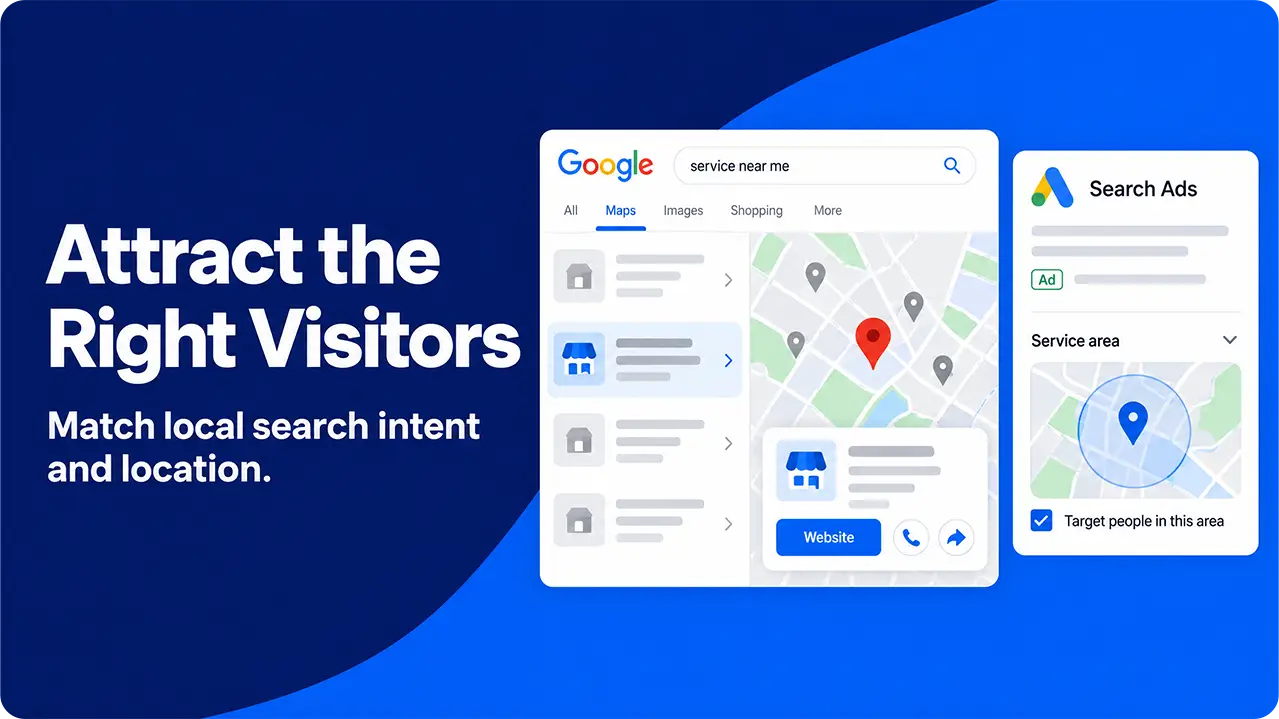
Не весь трафик одинаково ценен. Подумайте о том, чтобы уделить время локальному SEO и таргетированной рекламе — в зависимости от того, кто составляет ваш наиболее релевантный трафик.
Advertising type
Cost
Targeting
Best For
Main Weaknesses
Main Strengths
Intrusitiveness
Pop-Under
Low
Targeted by browser, location and device type
Mass appeal and awareness building
Low user intent results in poor CTRs
Allows a gentle “warming” of potential traffic, meaning they are ready to sign up when they visit.
Relatively low: waits for viewer to finish what they were doing
Native
High initial costs
Vague targeting by interest and curiosity
Awareness and trust building with engaged audiences
Expensive to create and often slow to get publisher approval
Allows a detailed exploration of a topic and avoids the “hard sell” which can turn off customers
Low: appears as a natural piece of content
Push
Varies depending on pricing model selected.
Target by location, age of subscription and previous interactions
Quick results and time-sensitive messages
High opt-out rate and limited content length
Allows urgent messages to be sent and can generate instant results
High: triggers an alert on the desktop or mobile device they’re pushed to
Если ваша аналитика показывает растущее число посетителей, но вы не видите соответствующего роста продаж и регистраций, возможно, ваш сайт привлекает не ту аудиторию. Как только вы заметили эту проблему, вы можете начать пересматривать свою маркетинговую стратегию и точнее нацеливать её на релевантный трафик.