Wenn es eine Sache gibt, die sich jeder Website-Betreiber seit den Anfängen des Internets gewünscht hat, dann ist es mehr Traffic.
Mehr Besuche bedeuten mehr Menschen, die einkaufen, Dienstleistungen buchen, Ihre Inhalte lesen und Umsatz generieren. Es gibt Dutzende bewährte Strategien, um mehr Besucher auf Ihre Website zu bringen, aber worauf Sie sich konzentrieren sollten, hängt von Ihrer jeweiligen Situation ab.
Einige Website-Betreiber sollten vielleicht verstärkt auf SEO setzen, während andere sich auf den zielgerichteten Traffic konzentrieren müssen, den bezahlte Werbung bringen kann, und wieder andere darauf, dass die Besucher, die sie bereits haben, immer wieder zurückkehren. Die „richtige“ Antwort hängt davon ab, mit welchem Problem Sie genau konfrontiert sind.
Hier sind 9 der häufigsten Situationen, die Ihren Web-Traffic einschränken könnten, und wie Sie sie beheben können:
1. Die Website ist neu und erhält wenig bis keinen Traffic
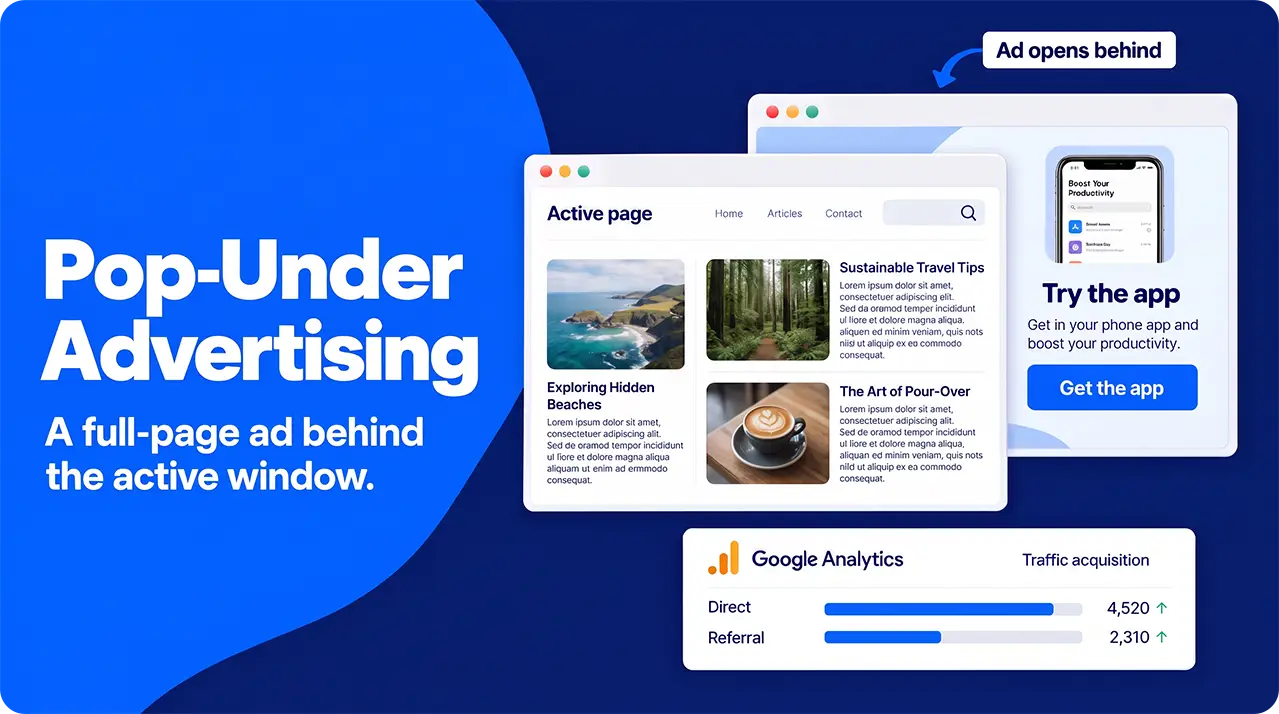
Eine neue Website kann durch bezahlte Werbung schnell einen Zustrom an Traffic erhalten, aber es ist ebenso wichtig, mit einer nachhaltigeren Quelle für Besuche zu beginnen.
Das Problem erkennen
Dies ist das am einfachsten zu erkennende Problem – eine neue Website wird wahrscheinlich kaum Traffic erhalten, bis Sie mit dem Marketing beginnen und die Leute wissen lassen, dass sie existiert.
So beheben Sie es
Eine neue Website ist eine spannende Zeit für einen Marketer – sie bringt viel Potenzial und die Chance mit sich, die Richtung wirklich festzulegen. Die ehrliche (wenn auch einfache) Antwort auf dieses Problem ist, dass Sie an diesem Punkt wirklich alles Mögliche ausprobieren könnten, um ein paar zusätzliche Besuche zu generieren. Dennoch gibt es ein paar Strategien, die in dieser frühen Phase am sinnvollsten sind.
Sie können dieses Problem auf zwei Arten angehen: mit einer langfristigen Lösung oder einer schnelleren Maßnahme.
Sie können dieses Problem auf zwei Arten angehen: mit einer langfristigen Lösung oder einer schnelleren Maßnahme.
Während SEO oft als die beste Traffic-Quelle für Websites angesehen wird und allein Google fast 63 % aller Besuche generiert, ist es kein schneller Prozess, und als neuer Website-Betreiber möchten Sie messbare Ergebnisse jetzt.
. Im Gegensatz zum langsamen, stetigen Wachstum durch Blogging können bezahlte Anzeigen mit dem richtigen Budget und der passenden Zielgruppenausrichtung nahezu sofort eine Welle von Besuchen bringen.
Sie können Anzeigen in sozialen Medien, in oder als die klassischen Banneranzeigen schalten, an die wir alle denken, wenn wir den Ausdruck „Online-Werbung“ hören. Diese lassen sich anhand unterschiedlichster Kriterien äußerst präzise gestalten und ausrichten und machen so fast jeden zu einem potenziellen Website-Besucher.
Jede hat ihren eigenen idealen Einsatzbereich:
- Suchanzeigen: am besten geeignet, um dringenden Bedarf gezielt anzusprechen und für Dienstleistungen, nach denen Menschen wahrscheinlich nicht spontan suchen.
- Display-Anzeigen und Videos: allgemeiner. Ideal, um ein bestimmtes Angebot bekannt zu machen, Interessen gezielt anzusprechen und die Markenbekanntheit zu steigern.
- Soziale Medien: am besten geeignet, um „Lookalike“-Kunden anzusprechen, die ähnliche Interessen wie Ihre bestehende Zielgruppe teilen.
- Awareness Building- though click-through rates are generally pretty low, it’s very hard to ignore a full-page advert entirely.
Das Einrichten einer Kampagne ist recht einfach: Erstellen Sie einfach das Bild, Video oder den Text, das bzw. den die Leute sehen sollen, mit der Software, die Ihnen am besten passt, teilen Sie den Werbenetzwerken mit, wem es angezeigt werden soll, und legen Sie Ihr Budget auf der Plattform fest, die Sie verwenden.
Schon nach wenigen Augenblicken könnten die ersten Besuche über Ihre Anzeige erscheinen. Es gibt jede Menge Feinheiten und Optimierungsmöglichkeiten, auf die Sie eingehen können, die wir in unserem behandeln, aber die allgemeine Regel lautet: Je größer das Budget, desto mehr Klicks erhalten Sie.
Die Nachteile all dieser Flexibilität und Geschwindigkeit sind die Kosten sowie der Aufwand für Überwachung und Tests, den Sie für die besten Ergebnisse betreiben müssen. Da Sie in der Regel , kann eine erfolgreiche Kampagne schnell teuer werden. Wenn Ihre Kampagne scheinbar nicht viele Klicks erzeugt, können Tests und Optimierungen ziemlich zeitaufwendig sein.
What Does Pop-Under Traffic Look Like In Your Analytics and How Should You Monitor Success?
Google Analytics 4 doesn’t have a category specifically for pop-under traffic, so your visitors might appear in a couple of different ways, depending on how you’ve set up your campaign.
If you’ve not set up tracking specifically for your pop-unders (usually through embedding tracking data in your URLs- there are tools which can help you create these), they’ll show up as “direct” traffic, or might show up as a “referral” from your chosen advertising network’s domain.
In terms of tracking the success of your campaigns, we’re not just looking at raw traffic numbers, though; we need some understanding of how people reacted to your pop-unders. This is best monitored through your reach/impressions and bounce rates. You should also keep a close eye on how many people go from your pop-under prelander (a landing page which is designed to drive people to a landing page) to your site proper.
How To Set Up Pop-Under Campaigns
Setting up a pop-under campaign is relatively straightforward. There are 6 steps to follow:
- Build your page.
Pop-unders work by opening a new page under the one your target viewer is already browsing, so the first step is designing the page you want them to see. All the usual design rules and best practice tips apply- they should be relatively clean, quick-loading, and easy to read at a glance. Rather than directing people straight to an already existing landing page, it’s better to “warm them up” with a prelander- think of it as a landing page for your landing page. - Find An Ad Network.
There are a few ad networks out there that specialize in pop-under traffic generation. Shop around a little to see who can offer you the best deal in terms of features, targeting, and, naturally, cost. - Set up your campaign.
Follow your chosen ad network’s instructions, pasting in your URL and any tracking tags that you’re using. - Set your bidding and pricing model.
Depending on your advertising goals and what your chosen network offers, you might want to pay per impression (best for mass-appeal campaigns and awareness building) or pay per action (best for things like app downloads, mailing list sign-ups, etc). - Configure your targeting and frequency capping.
Pop-unders are great for targeting by device and browser types, allowing you to target the people most likely to take an action. If you’re aiming for app downloads, target mobile users. If you’re trying to get people to use your browser extension, target users of that browser, etc.
You can also set a limit for how many times a single person will be shown your ad in a given timeframe. Most commonly, this puts a hard limit of one impression per person per day, as this balances awareness raising with avoiding ad fatigue. - Fund your campaign and launch it.
Once you’re happy with your campaign, launch it. Check your ad network dashboard and Google Analytics regularly to monitor success and make adjustments to timing, targeting, and other features of your campaign as necessary.
Common Mistakes With Pop-Under Advertising
There are three common mistakes that people make while setting up their pop-under campaigns: ignoring frequency caps, poor targeting, and skipping the prelander page.
Firstly, skipping the prelander page in favor of directing people to your main site totally ignores the fact that the person wasn’t actively looking to visit your page. Dropping them straight into a demand is likely to put them off converting. Instead, you should “warm” them up with a prelander page, explaining your offering and guiding them through to your main site where they can do whatever you want them to, should they be interested.
Frequency caps allow you to avoid paying twice for reaching any given individual. A person is only likely to convert once, so reaching someone multiple times in a single day is a waste of your budget that could be better spent targeting more people.
Finally, pop-under campaigns work best when targeted fairly closely. There’s simply no point in telling a Firefox user about a Chrome extension, or advertising your sale in Delhi to someone in Edinburgh. While some industries can be a bit more relaxed about this, for the vast majority of us, some targeting is necessary for useful results.
2. Die Website erhält relevanten Traffic, muss aber mehr Menschen erreichen
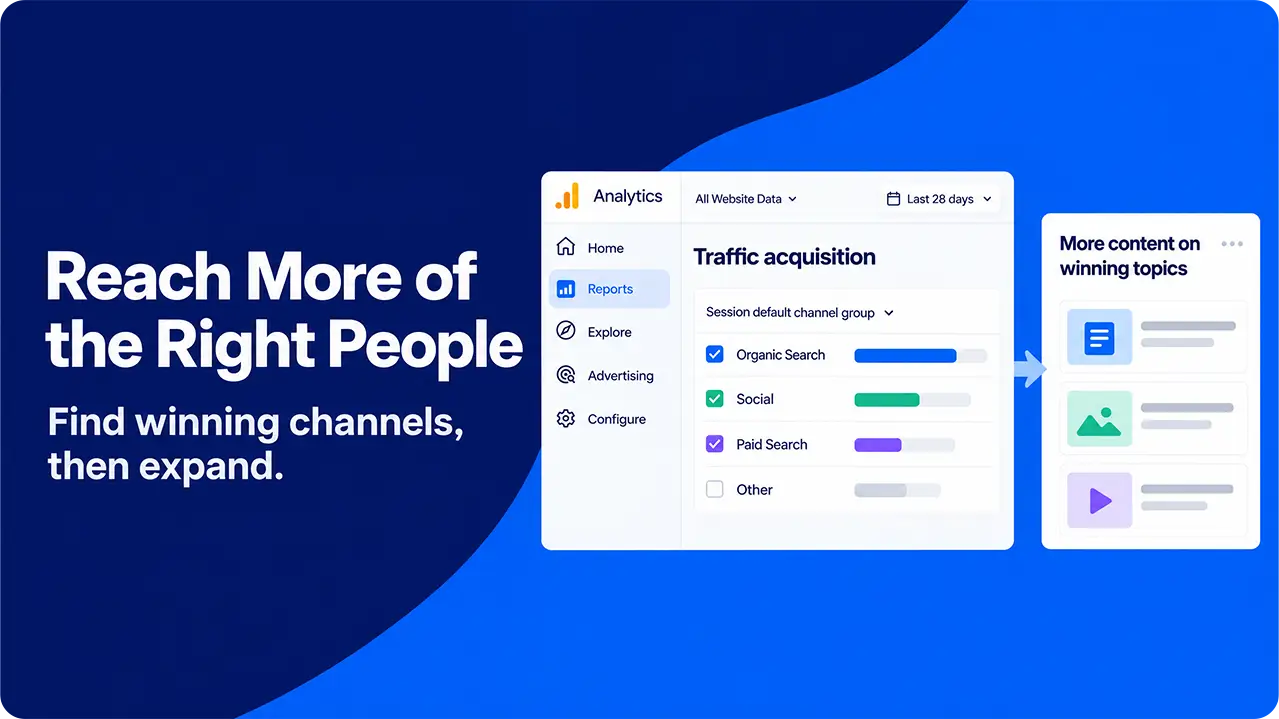
Analysen sind der Schlüssel, um zu verstehen, was Ihren Traffic erzeugt. Nutzen Sie sie, um Ihre erfolgreichsten Maßnahmen zu reproduzieren und das Rätselraten zu beenden. Sie können auch soziale Medien und Affiliate-Marketing nutzen, um Ihre Reichweite bei relevanten Zielgruppen zu vergrößern.
Das Problem erkennen
Wir können in der Regel feststellen, dass der Traffic, den wir erhalten, „relevant“ ist, indem wir die Besucherzahlen mit der Anzahl der Personen vergleichen, die den nächsten Schritt machen und das tun, worum wir sie bitten. Das kann ein Kauf sein, die Anmeldung zu einem Newsletter oder einfach das Durchstöbern unserer Blogs – was auch immer es ist: Je näher diese beiden Zahlen beieinanderliegen, desto relevanter ist der Traffic. Ihre Analysetools können genutzt werden, um dies zu ermitteln.
Wenn wir feststellen, dass der Traffic relevant ist, aber niedriger als gewünscht, können wir uns ansehen, woher er kommt, und damit beginnen, eine Strategie zu entwickeln, um mehr davon zu bekommen.
Wenn wir feststellen, dass der Traffic relevant ist, aber niedriger als gewünscht, können wir uns ansehen, woher er kommt, und damit beginnen, eine Strategie zu entwickeln, um mehr davon zu bekommen.
So beheben Sie es
Wenn Ihre Website bereits etabliert ist und Besuche von relevanten Personen erhält, Sie aber mehr Traffic möchten, haben Sie verschiedene Möglichkeiten. Tatsächlich ist dies eine weitere Situation, in der Sie potenziell nahezu jede Form des digitalen Marketings einsetzen und gewisse Ergebnisse sehen könnten.
Um in dieser Situation die passendste Strategie zu ermitteln, sollten Sie zuerst einen Blick in Ihr Analytics-Paket werfen. Dort sollten Sie nachvollziehen können, wie Menschen Ihre Website finden und welcher Ihrer Marketingkanäle sie anzieht – die Berichte liefern zahlreiche Erkenntnisse dazu, woher die Besucher auf Ihre Website kommen, wie lange sie bleiben, sobald sie sie gefunden haben, und welche Seiten sie ansehen.
Die relevanteste Information dabei ist, wo sie auf Ihren Link klicken. Mit diesen Daten können Sie entscheiden, ob Sie sich breiter aufstellen oder Ihren erfolgreichsten Kanal noch stärker ausbauen möchten. Unser Leitfaden zur Nutzung von Analytics-Tools für fundierte Entscheidungen und zur Vervielfachung Ihrer Marketingmaßnahmen kann Ihnen dabei helfen, herauszufinden, worauf Sie sich konzentrieren sollten.
Nehmen wir an, der Großteil Ihres Traffics findet Sie über Google-Suchen. Das würde darauf hindeuten, dass Ihre SEO-Strategie stimmt, aber weil Sie mehr von diesem Traffic möchten, müssen Sie mehr Inhalte erstellen – das bedeutet, Ihre erfolgreichen Seiten (wie in Ihren Analytics ausgewiesen) zu analysieren und die Elemente zu reproduzieren, die sie in Bezug auf Themen und Struktur erfolgreich gemacht haben. Wenn Blogs mehr Aufmerksamkeit anziehen, schreiben Sie mehr und bauen Sie Ihre bisherigen Inhalte weiter aus. Wenn es Ihre Landingpages sind, die Ergebnisse liefern, überlegen Sie, wie Sie mehr schreiben können, um ähnliche, aber leicht abweichende Suchanfragen anzusprechen.
Das bedeutet, die Themen und die Struktur Ihrer erfolgreichen Inhalte zu untersuchen und sie dann auf weitere Inhalte anzuwenden, wobei Sie sich jedes Mal ein wenig erweitern, um Wiederholungen zu vermeiden. Achten Sie darauf, dass die Haupt-Keywords mit Ihren erfolgreichen Seiten verwandt sind, aber nicht exakt dieselben, damit Sie Ihre eigenen Ergebnisse nicht kannibalisieren.
Alternativ könnten Quellen wie Social Media und Affiliate-Verlinkungen, die beide den Fokus eher auf die Relevanz des erzeugten Traffics als auf die reine Menge legen, die bessere Wahl sein, um Ihre Reichweite zu vergrößern. Beide bringen bereits ein gewisses Publikum mit und ermöglichen es Ihnen, Personen anzusprechen, die Ihrem aktuellen Traffic ähneln. So erhalten Sie Zugang zu einem Markt, der etwas mit Ihren aktuellen Kunden gemeinsam hat. Wir haben Leitfäden zur Nutzung von Social Media und Affiliate-Marketing, um Ihre Traffic-Ströme zu steigern.
Und natürlich gibt es immer die Möglichkeit, einfach mehr Anzeigen zu schalten und Menschen nach Standort oder Interessen anzusprechen, um die Menge an relevantem Traffic zu erhöhen, die den Weg auf Ihre Website findet.
- Reduces Banner Blindness- people are so bombarded with traditional ads that they generally filter out most of them. Native advertising doesn’t look like an ad and generally offers a bit more depth than simply screaming “buy now”, making it great for actually earning some engagement.
- Avoids Annoying Potential Customers- banners and other “intrusive” forms of digital advertising disrupt people’s browsing. Native advertising aims to become part of their browsing.
- High Engagement and Click-Through - By appearing like just another piece of content, native advertising offers far better engagement rates than something like a display ad and can generate a better click-through rate than many other types of paid ads.
- Beats Ad Fatigue- by offering some real value on top of their use as an advert, native ads bypass the habit of viewing adverts as an annoyance and encourage engagement.
- Privacy-friendly and Helps Build Trust- as native ads are related to the type of content that people are already consuming, they don’t rely on privacy-invading cookies and can help build trust with your audience.
- Bypass Ad Blocks- content-based native advertising, such as advertorials, doesn’t trigger ad blockers, so your message is more likely to be consumed.
What Does Native Advertising Look Like In Your Analytics and How Should You Monitor Success?
Native advertising is slightly trickier to track than some other forms of marketing. Exactly how it appears in your analytics will vary from type to type:
- Content-based: For advertorials and other content-based native advertising, you might be limited to checking the referrals to gauge how many people have clicked your links- they’re effectively just posts on their website after all. Whoever hosts your content should be happy to share their metrics with you if you want to dig a little deeper.
- Network-based: For native advertising such as search ads, suggested content ads or similar, they will appear in the Paid Other, Display or Social sections of your reports, depending on where they were displayed.
In terms of measuring the success of a given piece of native advertising, there are a few key metrics to keep an eye on:
- Viewability: A measurement of whether or not 50% of your ad was displayed for a second or more. A higher score here means that there was more chance that your offering was seen and digested by the viewer.
- CTR- setting up a unique URL on each of your native ads, regardless of type, allows you to find out exactly which ones have been most successful.
- Engagement: depending on how you’ve set up your native advertising campaign, you might be able to get insights into bounce rate and other engagement metrics from your partners. These allow you to judge how well people are taking in your messaging.
- Conversion rate: how many people take in your ad and then go on to do the thing you wanted them to.
How to Set Up a Native Advertising Campaign
There are two main ways of getting started with a native advertising campaign: reaching out directly or working with an agency.
If you’re working directly with a host website to create advertorials, simply reach out to them and work out the terms that you’re both comfortable with. They may offer to write them for you or could accept them as a guest post. Work closely with them to ensure that your content matches the tone, purpose and feel of their site while still meeting your advertising goals.
Alternatively, partner with a specialist agency that can cover creating your content and partnerships with distributors on your behalf, while still allowing you to retain control. Most agencies will also give you far more detailed analytics reports, allowing you to refine your efforts more carefully.
Common Mistakes With Native Advertising
While native advertising allows you to reach people when they’re not particularly in the mood to be advertised to, this is as much a potential weakness as a strength. Pushing a “salesy” text on someone who’s simply looking for some information is likely to be a turn-off and result in them navigating away.
A more subtle approach is necessary to get results- aim to inform and entertain the people who are consuming your content rather than push a hard sell on them. Native ads offer a fantastic way to warm up traffic before they even realise that they’re being advertised to.
Another common issue is neglecting the pre-campaign research. You need to have a decent understanding of who you’re targeting, what they want to see and what your competitors are doing before you start creating your campaigns. This allows you to target various buyer personas separately, producing content that appeals to them more directly.
Finally, a lack of transparency often trips up native campaigns. Many countries require adverts to be declared by law, marking them out as not just another piece of content. This applies to paid partnerships with publishers, working with influencers and anything else that might not instantly seem like an advert to someone only glancing at it casually.
3. Der Website-Traffic ist zurückgegangen
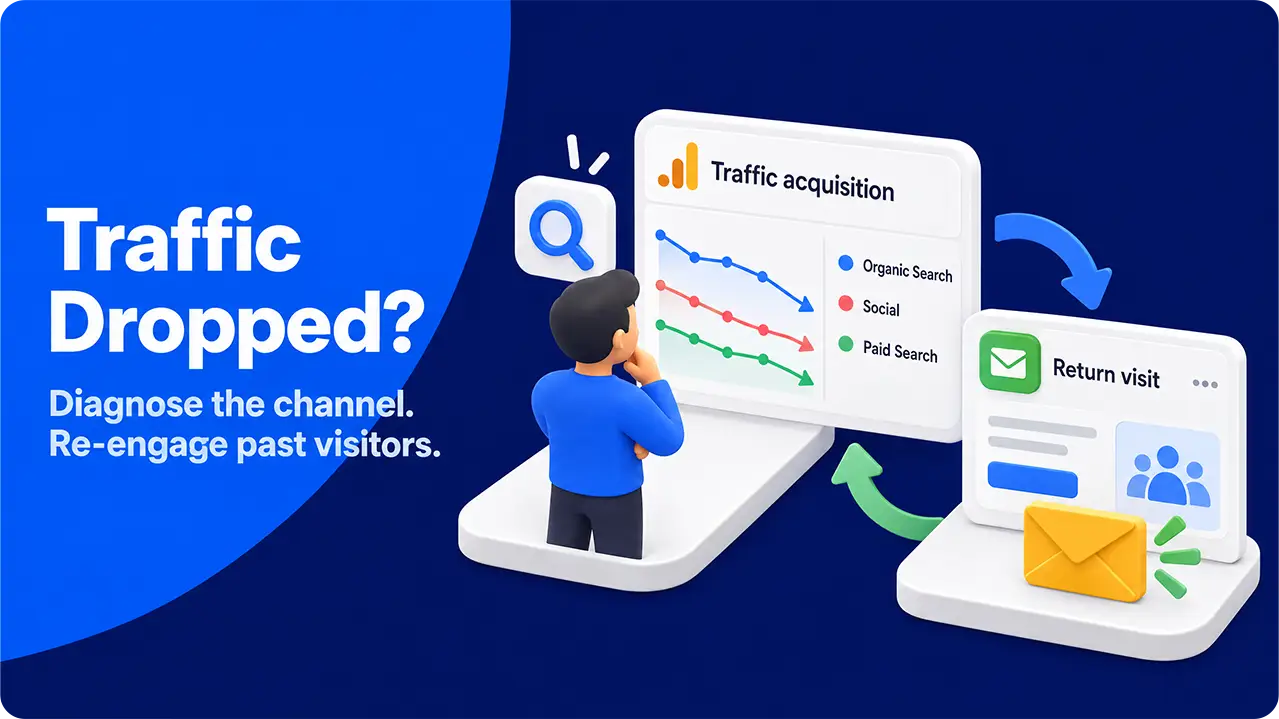
Veränderungen bei den Besucherströmen können aus vielen Gründen auftreten, daher ist es wichtig, sicherzustellen, dass Ihr Marketing-Mix so vielfältig wie möglich ist. Für schnelle Ergebnisse sollten Sie in Betracht ziehen, frühere Besucher über Anzeigen oder E-Mails erneut anzusprechen.
Das Problem erkennen
Ein Rückgang des Website-Traffics wird in Ihrem Analyse-Dashboard sichtbar. Die Berichte, die Sie dort finden, sollten Ihnen genau zeigen, welche Abläufe sich verändert haben, und von hier aus können Sie damit beginnen, sich ein Bild davon zu machen, warum sie sich verändert haben.
So beheben Sie es
Manchmal scheint das, was bisher funktioniert hat, nicht mehr zu greifen, und Ihr Website-Traffic geht zurück. Dafür kann es unzählige Gründe geben; die häufigsten sind:
What do Push Ads Look Like In Your Analytics and How Should You Monitor Success?
Google Analytics 4 can track push ads in various ways, depending on how they’re set up.
Ideally, your push ads will link to a “tagged” URL that will allow you to monitor exactly which ads got the responses you were looking for. Without these extra bits of information in the URL, they’re likely to appear as “referral” or “direct” traffic, alongside everyone who manually entered your web address or clicked a link pointing towards your page.
While it may not be quite as accurate as a properly tagged push ad, you can get a good sense of how successful any particular untagged ad has been by comparing your traffic numbers to the time that you sent the push notification out. As the response tends to be quick, a sudden jump that corresponds to your ad hitting people’s phones suggests that it has had the desired effect.
In terms of measuring how successful a particular push ad has been, there are a few metrics to examine, which, as a list-based system, share a lot of ground with email marketing:
- Algorithmusänderungen: Suchmaschinen, soziale Medien und AIs aktualisieren sich regelmäßig und ändern dabei, was sie priorisieren. Ihre Inhalte, die einst gut gerankt haben, könnten jetzt in den Listen weiter unten erscheinen.
- Tracking-Probleme: Gelegentlich kann die Aktualisierung Ihrer Website Probleme mit Ihrer Analysesoftware verursachen. Rufen Sie Ihre Seite selbst auf und prüfen Sie, ob Ihr Besuch erfasst wird.
- Wettbewerber überholen Sie im Ranking: SEO steht nicht still, und wenn Sie erfolgreich waren, haben Ihre Wettbewerber das wahrscheinlich bemerkt und begonnen, Ihre Strategie zu kopieren.
How to Set Up a Push Advertising Campaign
Setting up a push advertising campaign is remarkably straightforward. As they’re best used for time-sensitive messaging, most platforms operate a self-service model, giving you access to the tools you need to send out your push notifications and putting you in total control.
You can target by geographic location, device type and operating system, how long someone has been subscribed to your list for, how active they are on your site and filter by how often they’ve been targeted recently (top tip: don’t bombard people’s phones with notifications too often- they’ll simply unsubscribe and avoid you in future).
Finally, create your notification. You generally have a single, short headline, one line of body and an image to grab attention. Focus on urgency with lines such as “time is running out - shop the sale now” or similar messages.
Depending on the platform you’re using and your goals, you may choose from a variety of different payment models:
- Cost per click: similar to most digital advertising- you pay for each click that your notification receives. This is ideal for campaigns that are going out to a lot of recipients, as you only pay for the notifications that got a response.
- Cost per mile: You pay for a set number of deliveries. This is ideal if you’re on a tight budget, as there will be no nasty surprises.
- Cost per action: You only pay for notifications which trigger a specific action (most commonly a sale or a sign-up). This can offer the best ROI, but it comes with limited data on the unsuccessful notifications.
Common Mistakes With Push Adverts
There are three major mistakes that people often make with push adverts that render their campaigns ineffective: not segmenting their audiences, pushing too often and putting out bad texts and images.
Firstly, audience segmentation matters. A generic “visit us now” message sent out to your entire subscriber list is unlikely to tempt anyone to actually visit. Instead, segment your audience by the data that you hold on them. The simplest way to do this is by how long they’ve been subscribed or when they last interacted with your site. This allows you to send a message welcoming recent sign-ups and encouraging them to come back, or retargeting previous customers who haven’t visited recently.
Secondly, while people are glued to their phones, notifications actually trigger a range of responses, from dopamine spikes to anxiety. Targeting the same group repeatedly over too short a time is likely to push their response towards the negative end of this spectrum and result in them blocking further notifications from you.
Lastly, with only a few words and a single image to convey your message, it pays to ensure that every single word is serving a purpose. It’s commonly said amongst copywriters that short-form content is harder to write than long-form for this very reason. An overly generic Call to Action is unlikely to gain much response, but getting too targeted will exclude a large proportion of your potential reach.
4. Der Traffic steigt, aber die Website zieht die falschen Besucher an
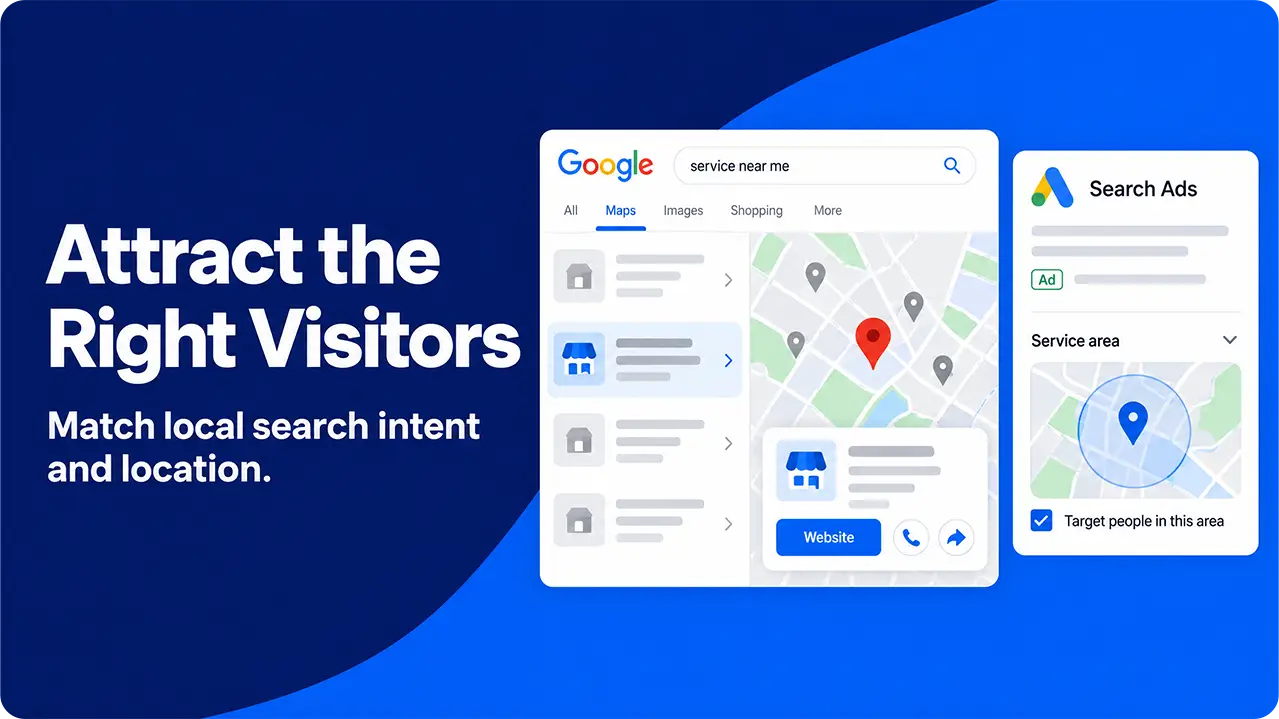
Nicht jeder Traffic ist gleich wertvoll. Ziehen Sie in Betracht, Zeit in Ihre lokale SEO und gezielte Anzeigen zu investieren – je nachdem, wer Ihren relevantesten Traffic ausmacht.
Advertising type
Cost
Targeting
Best For
Main Weaknesses
Main Strengths
Intrusitiveness
Pop-Under
Low
Targeted by browser, location and device type
Mass appeal and awareness building
Low user intent results in poor CTRs
Allows a gentle “warming” of potential traffic, meaning they are ready to sign up when they visit.
Relatively low: waits for viewer to finish what they were doing
Native
High initial costs
Vague targeting by interest and curiosity
Awareness and trust building with engaged audiences
Expensive to create and often slow to get publisher approval
Allows a detailed exploration of a topic and avoids the “hard sell” which can turn off customers
Low: appears as a natural piece of content
Push
Varies depending on pricing model selected.
Target by location, age of subscription and previous interactions
Quick results and time-sensitive messages
High opt-out rate and limited content length
Allows urgent messages to be sent and can generate instant results
High: triggers an alert on the desktop or mobile device they’re pushed to
Wenn Ihre Analysen eine steigende Zahl von Besuchern zeigen, Sie aber keinen entsprechenden Anstieg bei Verkäufen und Anmeldungen feststellen, zieht Ihre Website möglicherweise die falschen Personen an. Sobald Sie dieses Problem erkannt haben, können Sie damit beginnen, Ihre Marketingmaßnahmen rückwirkend zu analysieren und sie gezielter auf relevanten Traffic auszurichten.