إذا كان هناك شيء واحد يريده كل مالك موقع إلكتروني منذ فجر الإنترنت، فهو المزيد من الزيارات.
المزيد من الزيارات يعني مزيدًا من الأشخاص الذين يتسوقون، ويحجزون الخدمات، ويقرؤون محتواك، ويولدون الإيرادات. هناك العشرات من الاستراتيجيات الفعّالة لجذب المزيد من الأشخاص إلى موقعك، لكن الاستراتيجية التي ينبغي أن تركز عليها ستتغير وفقًا لظروفك.
قد يرغب بعض أصحاب المواقع الإلكترونية في مضاعفة جهود تحسين محركات البحث، بينما قد يحتاج آخرون إلى التركيز على الزيارات المستهدفة التي يمكن أن تجلبها الإعلانات المدفوعة، في حين سيرغب آخرون في التركيز على ضمان استمرار عودة الزيارات التي لديهم بالفعل. وتعتمد الإجابة «الصحيحة» على المشكلة التي تواجهها بالضبط.
إليك 9 من أكثر الحالات شيوعًا التي قد تحد من زيارات موقعك وكيفية معالجتها:
1
1. الموقع الإلكتروني جديد، ولا يحصل على زيارات تُذكر أو لا يحصل على أي زيارات
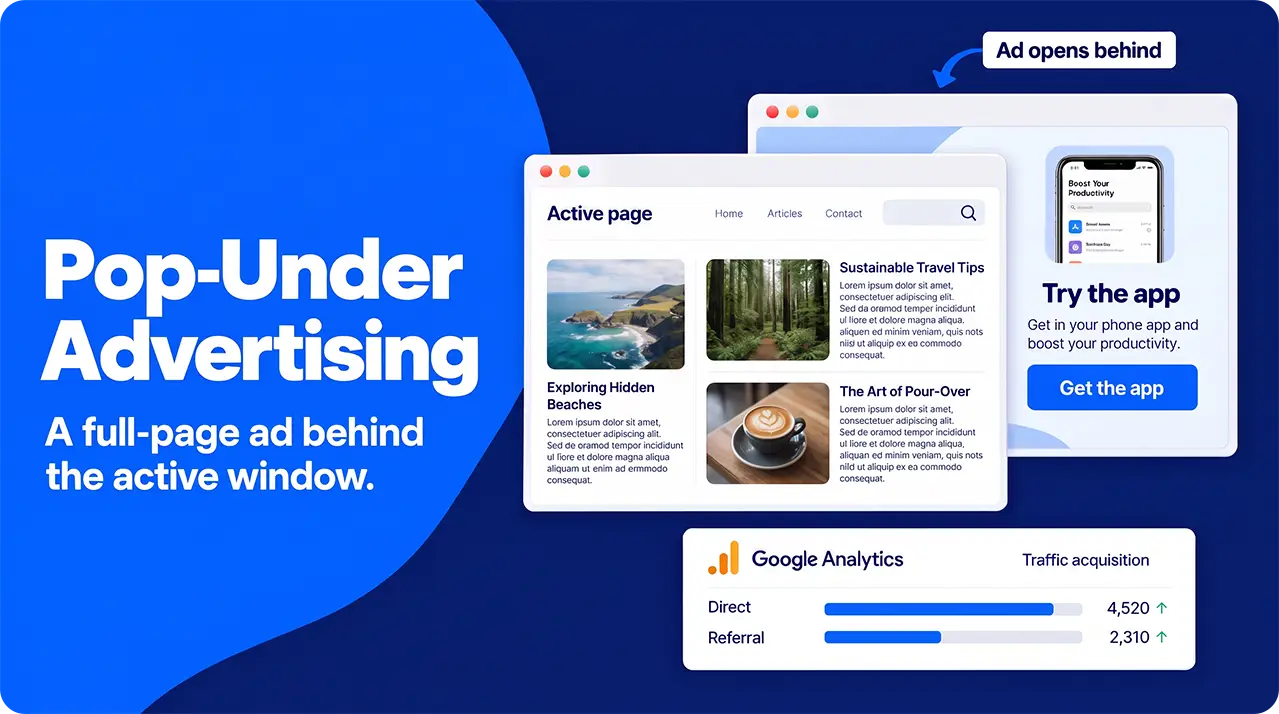
يمكن لموقع ويب جديد أن يحصل سريعًا على تدفق كبير من الزيارات عبر الإعلانات المدفوعة، لكن من المهم أيضًا البدء في بناء مصدر أكثر استدامة للزيارات.
تحديد المشكلة
هذه أبسط مشكلة يمكن تحديدها—فمن غير المرجح أن يحصل موقع إلكتروني جديد على الكثير من الزيارات على الإطلاق حتى تبدأ في التسويق له وإعلام الناس بوجوده.
كيفية إصلاح ذلك
يُعدّ الموقع الإلكتروني الجديد وقتًا مثيرًا للمسوّق، إذ يجلب معه الكثير من الإمكانات وفرصة حقيقية لتحديد الاتجاه. والإجابة الصادقة (وإن كانت بسيطة) عن هذه المشكلة هي أنك تستطيع بالفعل تجربة أي شيء في هذه المرحلة والبدء في تحقيق عدد أكبر قليلًا من الزيارات. ومع ذلك، هناك استراتيجيتان تبدوان الأكثر منطقية في هذه المرحلة المبكرة.
يمكنك التعامل مع هذه المشكلة بطريقتين: حل طويل الأمد أو حل أسرع.
يمكنك التعامل مع هذه المشكلة بطريقتين: حل طويل الأمد أو حل أسرع.
في حين يُنظر إلى تحسين محركات البحث غالبًا على أنه أفضل مصدر لزيارات المواقع الإلكترونية، حيث إن Google وحده يجلب ما يقرب من 63% من جميع الزيارات، فإنه ليس عملية سريعة، وبصفتك مالكًا لموقع إلكتروني جديد، فأنت تريد نتائج قابلة للقياس الآن.
. وعلى عكس وتيرة النمو البطيئة والثابتة التي تأتي من التدوين، يمكن للإعلانات المدفوعة، مع الميزانية المناسبة والاستهداف الصحيح، أن تجلب موجة شبه فورية من الزيارات.
يمكنك تشغيل الإعلانات على وسائل التواصل الاجتماعي، أو في ، أو على شكل إعلانات بانر تقليدية، وهي تلك التي نفكر فيها جميعًا عندما نسمع عبارة «الإعلانات عبر الإنترنت». ويمكن تصميم هذه الإعلانات واستهدافها بدقة مذهلة وفقًا لمجموعة متنوعة من المعايير، مما يحول تقريبًا أي شخص إلى زائر محتمل لموقعك الإلكتروني.
ولكل منها الاستخدام المثالي الخاص به:
- إعلانات البحث: الأفضل لاستهداف الحاجة الملحّة وللخدمات التي من غير المرجح أن يبحث عنها الناس بدافع الفضول.
- الإعلانات المصوّرة ومقاطع الفيديو: أكثر عمومية. رائعة لنشر الوعي حول عرض معيّن، واستهداف الاهتمامات، وبناء التعرّف على العلامة التجارية.
- وسائل التواصل الاجتماعي: الأفضل لاستهداف العملاء «المشابهين» الذين يشاركون زوارك الحاليين الاهتمامات نفسها.
- Awareness Building- though click-through rates are generally pretty low, it’s very hard to ignore a full-page advert entirely.
إعداد حملة إعلانية بسيط إلى حدّ كبير: كل ما عليك هو إنشاء الصورة أو الفيديو أو النص الذي تريد أن يراه الناس باستخدام أي برنامج يناسبك، ثم إخبار شبكات الإعلانات بمن تريد عرض الإعلان عليهم، وتحديد ميزانيتك على أي منصة تستخدمها.
وخلال لحظات قليلة، قد تبدأ برؤية أولى الزيارات القادمة من إعلانك. هناك الكثير من التفاصيل الدقيقة والتحسينات التي يمكنك العمل عليها، وقد تناولناها في، لكن القاعدة العامة هي: كلما كانت الميزانية أكبر، حصلت على نقرات أكثر.
الجانب السلبي لكل هذه المرونة والسرعة هو التكلفة وحجم المراقبة والاختبارات التي تحتاج إلى القيام بها لتحقيق أفضل النتائج. وبما أنك تدفع عادةً يتم توليدها، فإن الحملة الناجحة قد تصبح مكلفة بسرعة. وإذا لم تكن حملتك تولّد الكثير من النقرات، فقد يستغرق اختبارها وتحسينها وقتًا طويلًا.
What Does Pop-Under Traffic Look Like In Your Analytics and How Should You Monitor Success?
Google Analytics 4 doesn’t have a category specifically for pop-under traffic, so your visitors might appear in a couple of different ways, depending on how you’ve set up your campaign.
If you’ve not set up tracking specifically for your pop-unders (usually through embedding tracking data in your URLs- there are tools which can help you create these), they’ll show up as “direct” traffic, or might show up as a “referral” from your chosen advertising network’s domain.
In terms of tracking the success of your campaigns, we’re not just looking at raw traffic numbers, though; we need some understanding of how people reacted to your pop-unders. This is best monitored through your reach/impressions and bounce rates. You should also keep a close eye on how many people go from your pop-under prelander (a landing page which is designed to drive people to a landing page) to your site proper.
How To Set Up Pop-Under Campaigns
Setting up a pop-under campaign is relatively straightforward. There are 6 steps to follow:
- Build your page.
Pop-unders work by opening a new page under the one your target viewer is already browsing, so the first step is designing the page you want them to see. All the usual design rules and best practice tips apply- they should be relatively clean, quick-loading, and easy to read at a glance. Rather than directing people straight to an already existing landing page, it’s better to “warm them up” with a prelander- think of it as a landing page for your landing page. - Find An Ad Network.
There are a few ad networks out there that specialize in pop-under traffic generation. Shop around a little to see who can offer you the best deal in terms of features, targeting, and, naturally, cost. - Set up your campaign.
Follow your chosen ad network’s instructions, pasting in your URL and any tracking tags that you’re using. - Set your bidding and pricing model.
Depending on your advertising goals and what your chosen network offers, you might want to pay per impression (best for mass-appeal campaigns and awareness building) or pay per action (best for things like app downloads, mailing list sign-ups, etc). - Configure your targeting and frequency capping.
Pop-unders are great for targeting by device and browser types, allowing you to target the people most likely to take an action. If you’re aiming for app downloads, target mobile users. If you’re trying to get people to use your browser extension, target users of that browser, etc.
You can also set a limit for how many times a single person will be shown your ad in a given timeframe. Most commonly, this puts a hard limit of one impression per person per day, as this balances awareness raising with avoiding ad fatigue. - Fund your campaign and launch it.
Once you’re happy with your campaign, launch it. Check your ad network dashboard and Google Analytics regularly to monitor success and make adjustments to timing, targeting, and other features of your campaign as necessary.
Common Mistakes With Pop-Under Advertising
There are three common mistakes that people make while setting up their pop-under campaigns: ignoring frequency caps, poor targeting, and skipping the prelander page.
Firstly, skipping the prelander page in favor of directing people to your main site totally ignores the fact that the person wasn’t actively looking to visit your page. Dropping them straight into a demand is likely to put them off converting. Instead, you should “warm” them up with a prelander page, explaining your offering and guiding them through to your main site where they can do whatever you want them to, should they be interested.
Frequency caps allow you to avoid paying twice for reaching any given individual. A person is only likely to convert once, so reaching someone multiple times in a single day is a waste of your budget that could be better spent targeting more people.
Finally, pop-under campaigns work best when targeted fairly closely. There’s simply no point in telling a Firefox user about a Chrome extension, or advertising your sale in Delhi to someone in Edinburgh. While some industries can be a bit more relaxed about this, for the vast majority of us, some targeting is necessary for useful results.
2. يحصل الموقع الإلكتروني على زيارات مستهدفة، لكنه يحتاج إلى الوصول إلى المزيد من الأشخاص
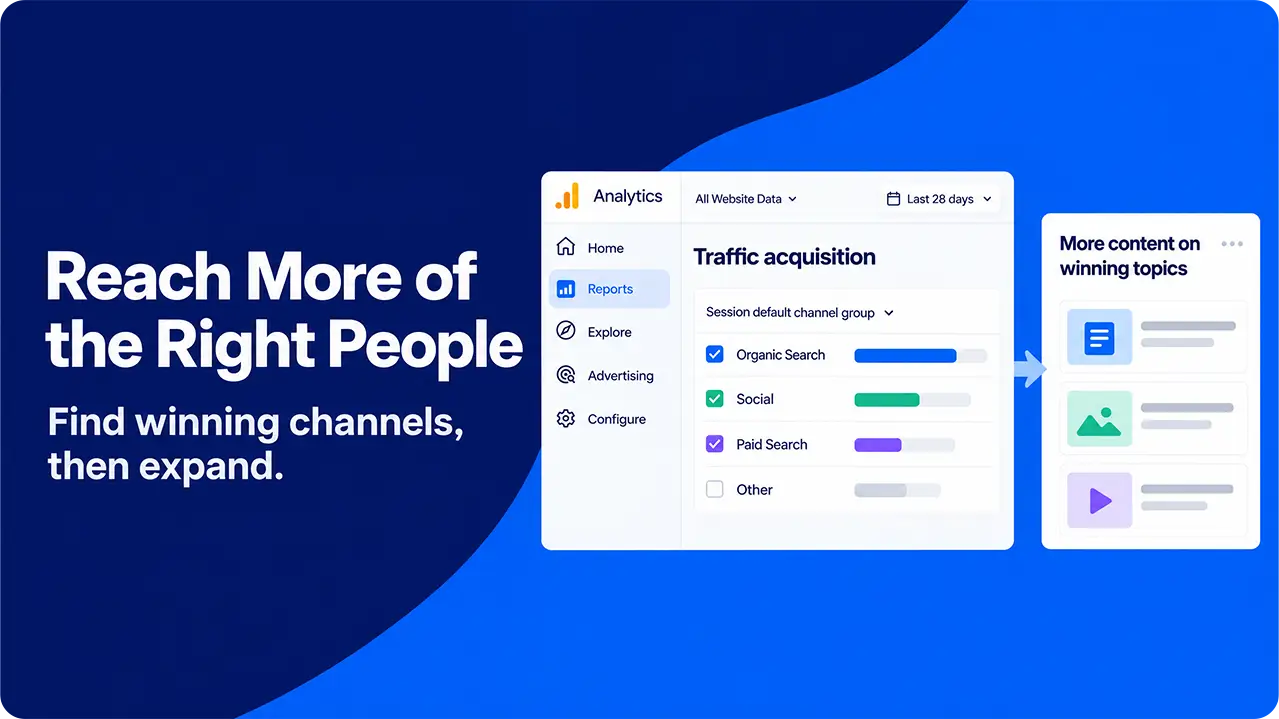
تُعد التحليلات المفتاح لفهم ما الذي يدرّ الزيارات إلى موقعك. استخدمها لتكرار أكثر جهودك نجاحًا والتخلّص من التخمين. يمكنك أيضًا استخدام وسائل التواصل الاجتماعي والتسويق بالعمولة لتوسيع نطاق وصولك إلى الجماهير ذات الصلة.
تحديد المشكلة
يمكننا عادةً تحديد ما إذا كانت الزيارات التي نحصل عليها "ذات صلة" من خلال مقارنة أعداد الزوار بعدد الأشخاص الذين يُكملون ويفعلون ما نطلب منهم فعله. قد يكون ذلك إجراء عملية شراء، أو الاشتراك في نشرة إخبارية، أو ببساطة تصفح مدوناتنا — ومهما كان الأمر، فكلما كان هذان الرقمان أقرب إلى بعضهما، كانت الزيارات أكثر صلة. ويمكن استخدام أدوات التحليلات الخاصة بك لاكتشاف ذلك.
إذا وجدنا أن الزيارات ذات صلة ولكنها أقل مما نرغب، يمكننا النظر إلى مصدرها والبدء في التفكير في بناء استراتيجية للحصول على المزيد منها.
إذا وجدنا أن الزيارات ذات صلة ولكنها أقل مما نرغب، يمكننا النظر إلى مصدرها والبدء في التفكير في بناء استراتيجية للحصول على المزيد منها.
كيفية إصلاح ذلك
إذا كان موقعك الإلكتروني راسخًا بالفعل ويجلب زيارات من أشخاص ذوي صلة، لكنك تريد المزيد من الزيارات، فلديك خيارات. في الواقع، هذه حالة أخرى يمكنك فيها بشكل محتمل الانخراط في أي شكل تقريبًا من أشكال التسويق الرقمي ورؤية بعض النتائج.
لتحديد الاستراتيجية الأنسب في هذه الحالة، فإن أول مكان يجب الرجوع إليه هو حزمة التحليلات الخاصة بك. ومن هنا، يجب أن تتمكن من معرفة كيف يعثر الأشخاص على موقعك وأي من قنواتك التسويقية تجذبهم إليه - فالتقارير التي تُنشئها مليئة بالرؤى مثل الأماكن التي يعثر منها الأشخاص على موقعك، والمدة التي يقضونها فيه بمجرد العثور عليه، والصفحات التي يتصفحونها.
أكثر المعلومات صلة هنا ستكون المكان الذي ينقرون منه على رابطك. وبالاستناد إلى هذه البيانات، يمكنك أن تقرر ما إذا كنت تريد التوسع أو مضاعفة التركيز على قناتك الأكثر نجاحًا. يمكن أن يساعدك دليلنا لاستخدام أدوات التحليلات في توجيه عملية اتخاذ القرار لديك وفي نهاية المطاف مضاعفة جهودك التسويقية، مما يساعدك على تحديد موضع التركيز.
لنفترض أن معظم زياراتك تصل إليك عبر عمليات البحث في Google. سيشير ذلك إلى أن استراتيجية تحسين محركات البحث لديك فعّالة، لكن بما أنك تريد المزيد من هذه الزيارات، فسيتعين عليك إنتاج المزيد من المحتوى - وهذا يعني النظر في صفحاتك الناجحة (كما هو موضح في تحليلاتك) ومحاولة تكرار العناصر التي جعلتها ناجحة من حيث الموضوعات والبنية. إذا كانت المدونات تبدو وكأنها تجذب مزيدًا من الاهتمام، فاكتب المزيد منها ووسّع ما قدمته سابقًا. وإذا كانت صفحات الهبوط الخاصة بك هي التي تحقق النتائج، ففكّر في كيفية كتابة المزيد لاستهداف عمليات بحث مشابهة ولكن مختلفة قليلًا.
وهذا يعني فحص موضوعات وبنية المحتوى الناجح لديك ثم تطبيق ذلك على المزيد من المحتوى، مع التوسع قليلًا في كل مرة لتجنب تكرار نفسك. وتأكد من أن الكلمات الرئيسية الأساسية مرتبطة بصفحاتك الناجحة ولكنها ليست نفسها تمامًا، وذلك لتجنب مزاحمة نتائجك الخاصة.
بدلًا من ذلك، قد تكون مصادر مثل وسائل التواصل الاجتماعي والروابط التابعة، وكلاهما يركز على مدى صلة الزيارات التي يولدانها أكثر من الكم، خيارًا أفضل لتوسيع نطاق وصولك. فكلاهما يأتي مع مستوى معين من الجمهور الجاهز ويتيح لك استهداف أشخاص “يشبهون” زياراتك الحالية. وهذا يمنحك الوصول إلى سوق يشترك في شيء ما مع عملائك الحاليين. ولدينا أدلة حول استخدام وسائل التواصل الاجتماعي والتسويق بالعمولة لتعزيز تدفقات الزيارات لديك.
وبالطبع، هناك دائمًا خيار تشغيل المزيد من الإعلانات ببساطة، مع استهداف الأشخاص حسب الموقع أو الاهتمامات، لزيادة مقدار الزيارات ذات الصلة التي تجد طريقها إلى موقعك.
- Reduces Banner Blindness- people are so bombarded with traditional ads that they generally filter out most of them. Native advertising doesn’t look like an ad and generally offers a bit more depth than simply screaming “buy now”, making it great for actually earning some engagement.
- Avoids Annoying Potential Customers- banners and other “intrusive” forms of digital advertising disrupt people’s browsing. Native advertising aims to become part of their browsing.
- High Engagement and Click-Through - By appearing like just another piece of content, native advertising offers far better engagement rates than something like a display ad and can generate a better click-through rate than many other types of paid ads.
- Beats Ad Fatigue- by offering some real value on top of their use as an advert, native ads bypass the habit of viewing adverts as an annoyance and encourage engagement.
- Privacy-friendly and Helps Build Trust- as native ads are related to the type of content that people are already consuming, they don’t rely on privacy-invading cookies and can help build trust with your audience.
- Bypass Ad Blocks- content-based native advertising, such as advertorials, doesn’t trigger ad blockers, so your message is more likely to be consumed.
What Does Native Advertising Look Like In Your Analytics and How Should You Monitor Success?
Native advertising is slightly trickier to track than some other forms of marketing. Exactly how it appears in your analytics will vary from type to type:
- Content-based: For advertorials and other content-based native advertising, you might be limited to checking the referrals to gauge how many people have clicked your links- they’re effectively just posts on their website after all. Whoever hosts your content should be happy to share their metrics with you if you want to dig a little deeper.
- Network-based: For native advertising such as search ads, suggested content ads or similar, they will appear in the Paid Other, Display or Social sections of your reports, depending on where they were displayed.
In terms of measuring the success of a given piece of native advertising, there are a few key metrics to keep an eye on:
- Viewability: A measurement of whether or not 50% of your ad was displayed for a second or more. A higher score here means that there was more chance that your offering was seen and digested by the viewer.
- CTR- setting up a unique URL on each of your native ads, regardless of type, allows you to find out exactly which ones have been most successful.
- Engagement: depending on how you’ve set up your native advertising campaign, you might be able to get insights into bounce rate and other engagement metrics from your partners. These allow you to judge how well people are taking in your messaging.
- Conversion rate: how many people take in your ad and then go on to do the thing you wanted them to.
How to Set Up a Native Advertising Campaign
There are two main ways of getting started with a native advertising campaign: reaching out directly or working with an agency.
If you’re working directly with a host website to create advertorials, simply reach out to them and work out the terms that you’re both comfortable with. They may offer to write them for you or could accept them as a guest post. Work closely with them to ensure that your content matches the tone, purpose and feel of their site while still meeting your advertising goals.
Alternatively, partner with a specialist agency that can cover creating your content and partnerships with distributors on your behalf, while still allowing you to retain control. Most agencies will also give you far more detailed analytics reports, allowing you to refine your efforts more carefully.
Common Mistakes With Native Advertising
While native advertising allows you to reach people when they’re not particularly in the mood to be advertised to, this is as much a potential weakness as a strength. Pushing a “salesy” text on someone who’s simply looking for some information is likely to be a turn-off and result in them navigating away.
A more subtle approach is necessary to get results- aim to inform and entertain the people who are consuming your content rather than push a hard sell on them. Native ads offer a fantastic way to warm up traffic before they even realise that they’re being advertised to.
Another common issue is neglecting the pre-campaign research. You need to have a decent understanding of who you’re targeting, what they want to see and what your competitors are doing before you start creating your campaigns. This allows you to target various buyer personas separately, producing content that appeals to them more directly.
Finally, a lack of transparency often trips up native campaigns. Many countries require adverts to be declared by law, marking them out as not just another piece of content. This applies to paid partnerships with publishers, working with influencers and anything else that might not instantly seem like an advert to someone only glancing at it casually.
3. انخفضت زيارات الموقع الإلكتروني
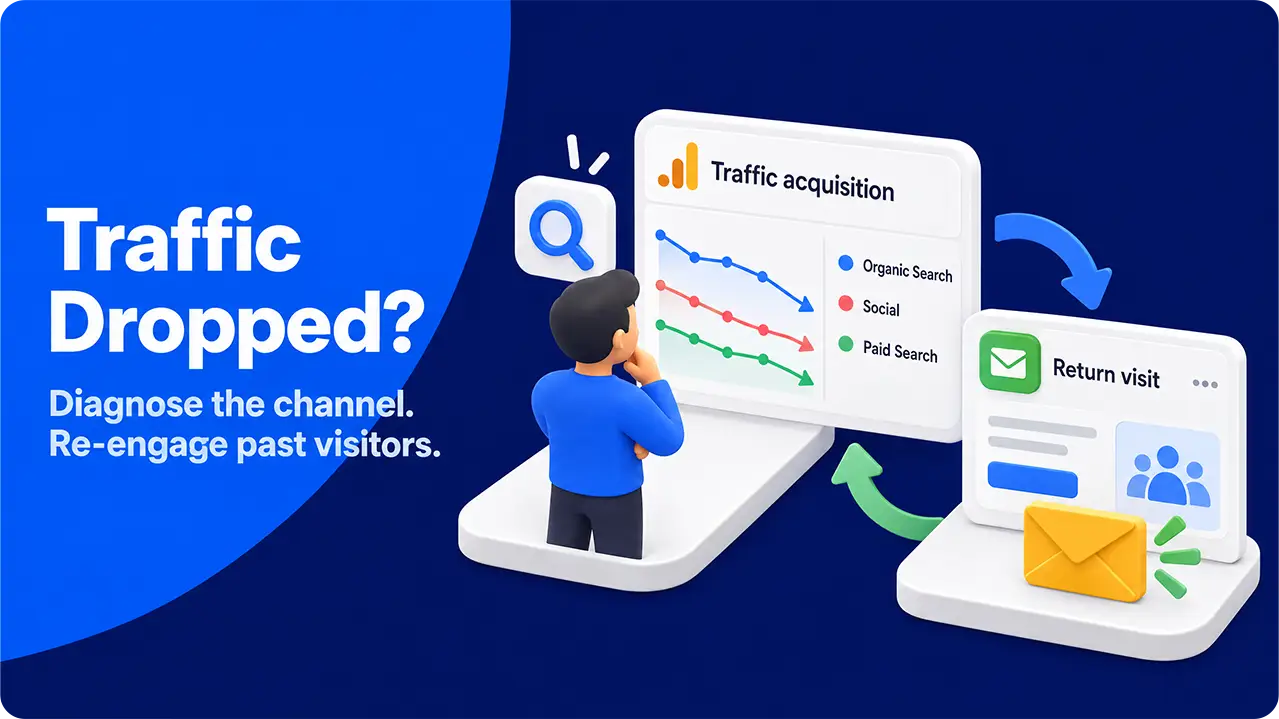
يمكن أن تحدث تغيّرات في تدفقات الزيارات لأسباب عديدة، لذلك من المهم التأكد من أن مزيجك التسويقي متنوع قدر الإمكان. وللحصول على نتائج سريعة، فكّر في إعادة استهداف الزوار السابقين عبر الإعلانات أو رسائل البريد الإلكتروني.
تحديد المشكلة
سيظهر انخفاض عدد زيارات الموقع الإلكتروني على لوحة تحكم التحليلات الخاصة بك. ومن المفترض أن توضح لك التقارير التي تجدها هناك بدقة التدفقات التي تغيّرت، ومن هنا يمكنك البدء في تجميع الأسباب لماذا تغيّرت.
كيفية إصلاح ذلك
أحيانًا، يبدو أن ما كان ينجح قد توقف، وتنخفض زيارات موقعك الإلكتروني. قد تكون هناك أسباب لا حصر لها وراء ذلك؛ وأكثرها شيوعًا:
What do Push Ads Look Like In Your Analytics and How Should You Monitor Success?
Google Analytics 4 can track push ads in various ways, depending on how they’re set up.
Ideally, your push ads will link to a “tagged” URL that will allow you to monitor exactly which ads got the responses you were looking for. Without these extra bits of information in the URL, they’re likely to appear as “referral” or “direct” traffic, alongside everyone who manually entered your web address or clicked a link pointing towards your page.
While it may not be quite as accurate as a properly tagged push ad, you can get a good sense of how successful any particular untagged ad has been by comparing your traffic numbers to the time that you sent the push notification out. As the response tends to be quick, a sudden jump that corresponds to your ad hitting people’s phones suggests that it has had the desired effect.
In terms of measuring how successful a particular push ad has been, there are a few metrics to examine, which, as a list-based system, share a lot of ground with email marketing:
- تغييرات الخوارزميات: تُجري محركات البحث ووسائل التواصل الاجتماعي وأنظمة الذكاء الاصطناعي تحديثات منتظمة، مما يغيّر ما تعطيه الأولوية. وقد يصبح المحتوى الخاص بك الذي كان يتصدر النتائج سابقًا في مرتبة أدنى الآن.
- مشكلات التتبع: قد يؤدي تحديث موقعك الإلكتروني أحيانًا إلى حدوث مشكلات في برنامج التحليلات لديك. حمّل صفحتك بنفسك وتحقق مما إذا كانت زيارتك قد سُجّلت.
- المنافسون يتفوقون عليك في الترتيب: تحسين محركات البحث لا يتوقف، وإذا كنت قد حققت نجاحًا، فمن المرجح أن منافسيك قد لاحظوا ذلك وبدؤوا في تقليد استراتيجيتك.
How to Set Up a Push Advertising Campaign
Setting up a push advertising campaign is remarkably straightforward. As they’re best used for time-sensitive messaging, most platforms operate a self-service model, giving you access to the tools you need to send out your push notifications and putting you in total control.
You can target by geographic location, device type and operating system, how long someone has been subscribed to your list for, how active they are on your site and filter by how often they’ve been targeted recently (top tip: don’t bombard people’s phones with notifications too often- they’ll simply unsubscribe and avoid you in future).
Finally, create your notification. You generally have a single, short headline, one line of body and an image to grab attention. Focus on urgency with lines such as “time is running out - shop the sale now” or similar messages.
Depending on the platform you’re using and your goals, you may choose from a variety of different payment models:
- Cost per click: similar to most digital advertising- you pay for each click that your notification receives. This is ideal for campaigns that are going out to a lot of recipients, as you only pay for the notifications that got a response.
- Cost per mile: You pay for a set number of deliveries. This is ideal if you’re on a tight budget, as there will be no nasty surprises.
- Cost per action: You only pay for notifications which trigger a specific action (most commonly a sale or a sign-up). This can offer the best ROI, but it comes with limited data on the unsuccessful notifications.
Common Mistakes With Push Adverts
There are three major mistakes that people often make with push adverts that render their campaigns ineffective: not segmenting their audiences, pushing too often and putting out bad texts and images.
Firstly, audience segmentation matters. A generic “visit us now” message sent out to your entire subscriber list is unlikely to tempt anyone to actually visit. Instead, segment your audience by the data that you hold on them. The simplest way to do this is by how long they’ve been subscribed or when they last interacted with your site. This allows you to send a message welcoming recent sign-ups and encouraging them to come back, or retargeting previous customers who haven’t visited recently.
Secondly, while people are glued to their phones, notifications actually trigger a range of responses, from dopamine spikes to anxiety. Targeting the same group repeatedly over too short a time is likely to push their response towards the negative end of this spectrum and result in them blocking further notifications from you.
Lastly, with only a few words and a single image to convey your message, it pays to ensure that every single word is serving a purpose. It’s commonly said amongst copywriters that short-form content is harder to write than long-form for this very reason. An overly generic Call to Action is unlikely to gain much response, but getting too targeted will exclude a large proportion of your potential reach.
4. عدد الزيارات يتزايد، لكن الموقع الإلكتروني يجذب الأشخاص غير المناسبين
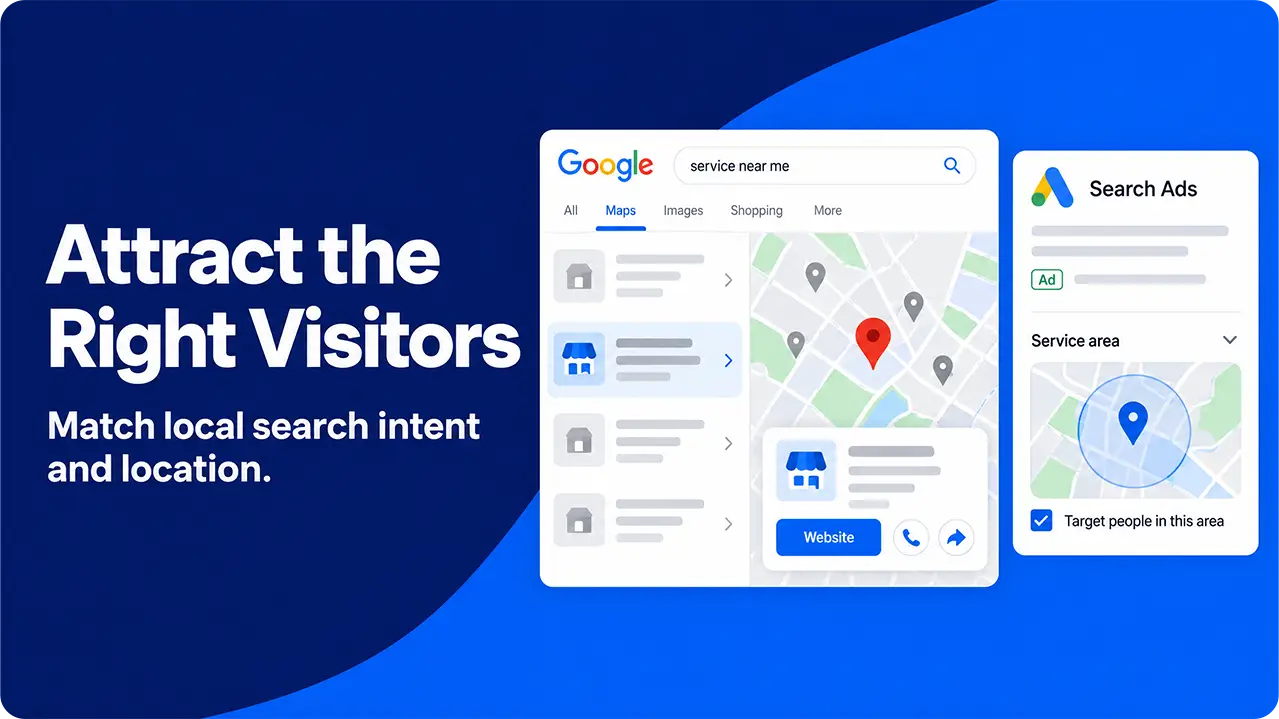
ليست كل الزيارات متساوية في القيمة. فكّر في تخصيص وقت للعمل على تحسين محركات البحث المحلي لديك والإعلانات الموجّهة، وذلك بحسب الفئة التي تشكّل الزيارات الأكثر صلة بموقعك.
Advertising type
Cost
Targeting
Best For
Main Weaknesses
Main Strengths
Intrusitiveness
Pop-Under
Low
Targeted by browser, location and device type
Mass appeal and awareness building
Low user intent results in poor CTRs
Allows a gentle “warming” of potential traffic, meaning they are ready to sign up when they visit.
Relatively low: waits for viewer to finish what they were doing
Native
High initial costs
Vague targeting by interest and curiosity
Awareness and trust building with engaged audiences
Expensive to create and often slow to get publisher approval
Allows a detailed exploration of a topic and avoids the “hard sell” which can turn off customers
Low: appears as a natural piece of content
Push
Varies depending on pricing model selected.
Target by location, age of subscription and previous interactions
Quick results and time-sensitive messages
High opt-out rate and limited content length
Allows urgent messages to be sent and can generate instant results
High: triggers an alert on the desktop or mobile device they’re pushed to
إذا كانت تحليلاتك تُظهر ارتفاعًا في عدد الزوار لكنك لا ترى زيادة مقابلة في المبيعات وعمليات التسجيل، فقد يكون موقعك يجذب الأشخاص غير المناسبين. بمجرد أن تلاحظ هذه المشكلة، يمكنك البدء في إعادة هندسة جهودك التسويقية واستهدافها بشكل أدق نحو الزيارات ذات الصلة.