Perplexity AI traffic is small in many dashboards, but it can carry a distinctive kind of intent. Perplexity presents an answer with numbered source citations, so a click often happens after the reader has received a summary and wants to check the claim, inspect the evidence, or learn who published it. That is a different starting point from a conventional search visit and often differs from a ChatGPT visit as well.
The scale is still developing. Across 27 markets, 4% of respondents said they always or often click from AI assistants to underlying news sources, compared with 19% from search and 17% from social media, according to the Reuters Institute Digital News Report 2026. The same research found that assistant users who do click are comparatively likely to want verification or to learn about the source. Your job is to recognize those visits accurately, then give these readers a page that rewards their scrutiny.
The scale is still developing. Across 27 markets, 4% of respondents said they always or often click from AI assistants to underlying news sources, compared with 19% from search and 17% from social media, according to the Reuters Institute Digital News Report 2026. The same research found that assistant users who do click are comparatively likely to want verification or to learn about the source. Your job is to recognize those visits accurately, then give these readers a page that rewards their scrutiny.
Why Perplexity traffic follows a verification path
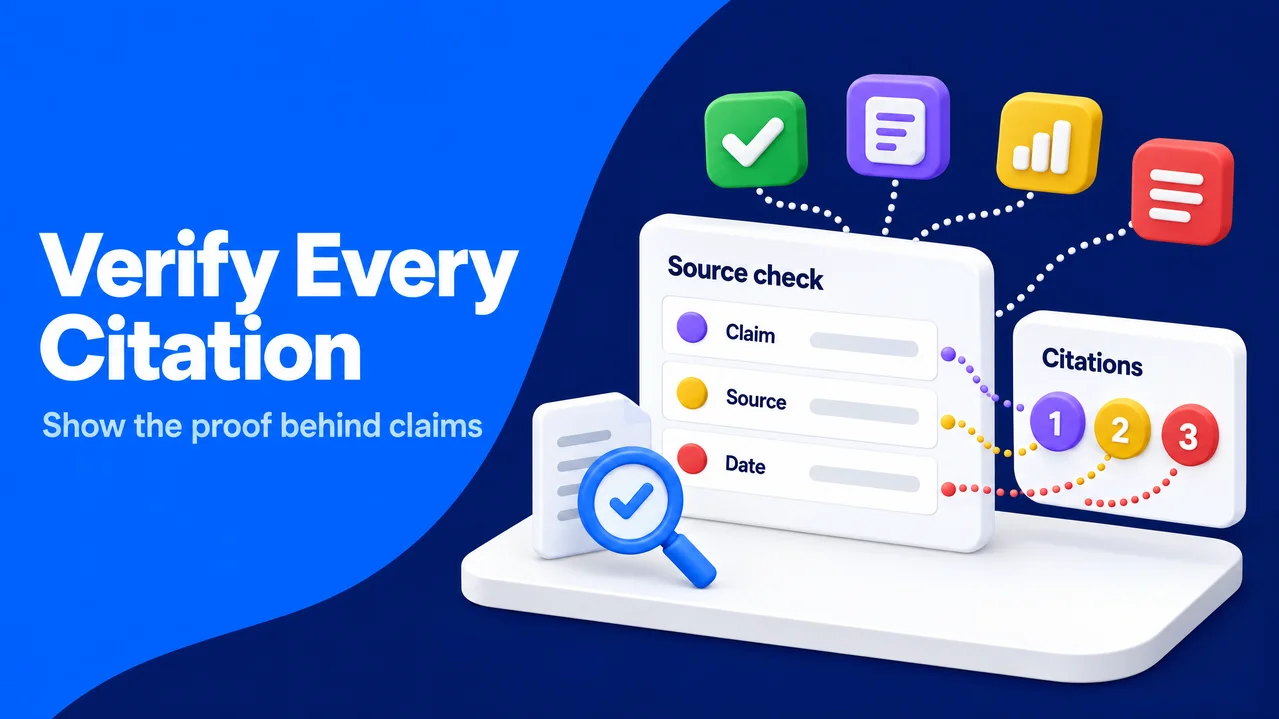
Perplexity is an answer engine, meaning it combines a response with links to material used in that response. Its Wikipedia profile describes a company founded on 22 August 2022 by Aravind Srinivas, Denis Yarats, Johnny Ho, and Andy Konwinski. Its products include the Comet browser, alongside its search and assistant products. For a reader, visible numbered citations make the route from answer to website feel like a fact-checking step rather than a broad exploratory search.
That presentation changes what a visit may mean. A searcher can arrive from a results page before they know which source they trust. A Perplexity reader has seen a claim, a short synthesis, and one or more candidate sources. They may reach your page to establish the date of a statistic, see the full method, find a quotation in context, or decide whether your organization merits trust.
Raw session totals miss the key question: did the cited page answer the reader's remaining question? You can compare engagement, key events, and return visits from this source with organic and direct baselines. Verification-oriented readers may value proof, author information, and detail more than a fast summary.
ChatGPT can also send valuable visitors, but its interface and sharing patterns differ. In some cases it passes a referrer or a campaign parameter, while other visits lose that signal before analytics receives it. Perplexity's numbered citations provide a useful reason to study the two sources separately before combining them in a broader AI-assistant report.
Set up measurement before you interpret AI traffic
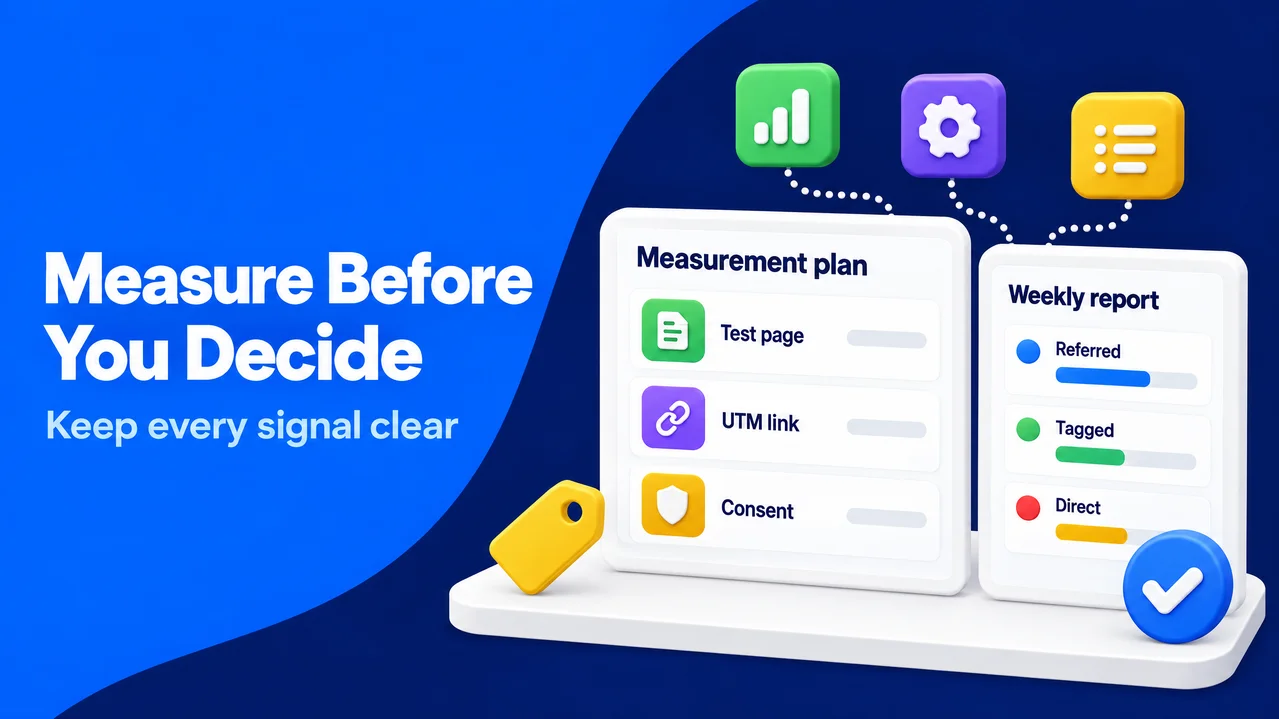
Attribution begins before the referral arrives. SparkTraffic, an advertising platform that delivers geo-targeted visits from real people through a vetted publisher network, explains in its AI traffic guide how assistant visits fit into ordinary acquisition reporting. Its real-visitor campaigns can support analytics quality assurance and landing-page testing. A controlled test of tags, pages, and reporting rules can expose a setup error before you draw conclusions about low-volume AI visits.
A practical move is to use a separate test page or a noindex copy when you are checking campaign parameters, consent behavior, and event collection. You can send only real human test visits that match the geography or device condition you need, then compare the recorded source, medium, landing page, and event sequence with your test plan. This approach protects production reporting from guesswork and respects the human-first purpose of analytics: understanding real journeys rather than creating a flattering number.
For ordinary links that you control, descriptive UTM parameters can preserve context when a browser removes the referring address. We recommend using a consistent source and medium convention, documenting it, and leaving external Perplexity citations that you do not control without added UTM tags. If your site serves people in regions with consent requirements, you can record how a refusal or consent mode affects the session.
The practical baseline is a weekly source report with three columns: observed referred sessions, known tagged AI visits, and unattributed direct sessions that might contain stripped-referrer traffic. It pays to keep the third category separate. Direct is a bucket of unknown origin, not evidence that a visitor typed your address.
How Perplexity referral traffic appears in analytics
A user who selects a cited link may pass perplexity.ai as the referring site. In GA4, that visit can appear in the native AI Assistant channel when the product recognizes the referrer, or it can appear as Referral. GA4's native AI Assistant rule uses the medium ai-assistant, while a referral classification usually reflects a conventional referring domain. Referrer-free visits can still appear as Direct.
This is why a single acquisition report can understate Perplexity AI traffic. Channel rules are classifications, while the HTTP referer is a browser signal that can be absent, changed, or filtered. An in-app browser, privacy control, redirect, or copied link can alter what reaches the analytics tag. Keeping visits with unknown origins in Direct preserves clean reporting rather than assigning them to an assistant without evidence.
This is why a single acquisition report can understate Perplexity AI traffic. Channel rules are classifications, while the HTTP referer is a browser signal that can be absent, changed, or filtered. An in-app browser, privacy control, redirect, or copied link can alter what reaches the analytics tag. Keeping visits with unknown origins in Direct preserves clean reporting rather than assigning them to an assistant without evidence.
Build a custom view of the referral signal
A useful starting point is a GA4 exploration that uses Session source, Session medium, Landing page, and a key event such as a form completion or qualified scroll. You can filter for perplexity.ai, then include the AI Assistant channel and Referral as comparison rows. This shows whether the same traffic is classified in different places, and it keeps the landing-page question visible.
A custom channel group can make routine reporting easier. It pays to put a rule for known AI domains or the ai-assistant medium above Referral, because GA4 applies the first matching rule. A separate Referral row can serve as a quality check. If a new Perplexity referral traffic pattern appears there, you can examine it before changing the permanent rule.
A useful habit is to review the rule after browser or analytics changes. You can save the date of each edit, since a sudden rise can come from classification work instead of a new audience.
Evaluate evidence, not just sessions
A cited page should give a verification reader a clear next step. You can measure whether visitors find the cited claim, open the methodology, use an on-page citation, subscribe, contact you, or return later. For lead-generation sites, a qualified form event may matter more than a short first visit. For publishers, reading depth and a second page can better indicate that the source answered the question.
A small sample review can sit beside the metrics. We recommend checking the landing page, the wording of the cited claim, page speed, and the date shown on the page. This is helpful because a clean source label cannot fix a stale statistic or a page that hides its evidence below a long introduction.
A small sample review can sit beside the metrics. We recommend checking the landing page, the wording of the cited claim, page speed, and the date shown on the page. This is helpful because a clean source label cannot fix a stale statistic or a page that hides its evidence below a long introduction.
Compare ChatGPT and Perplexity traffic analytics tools with one method
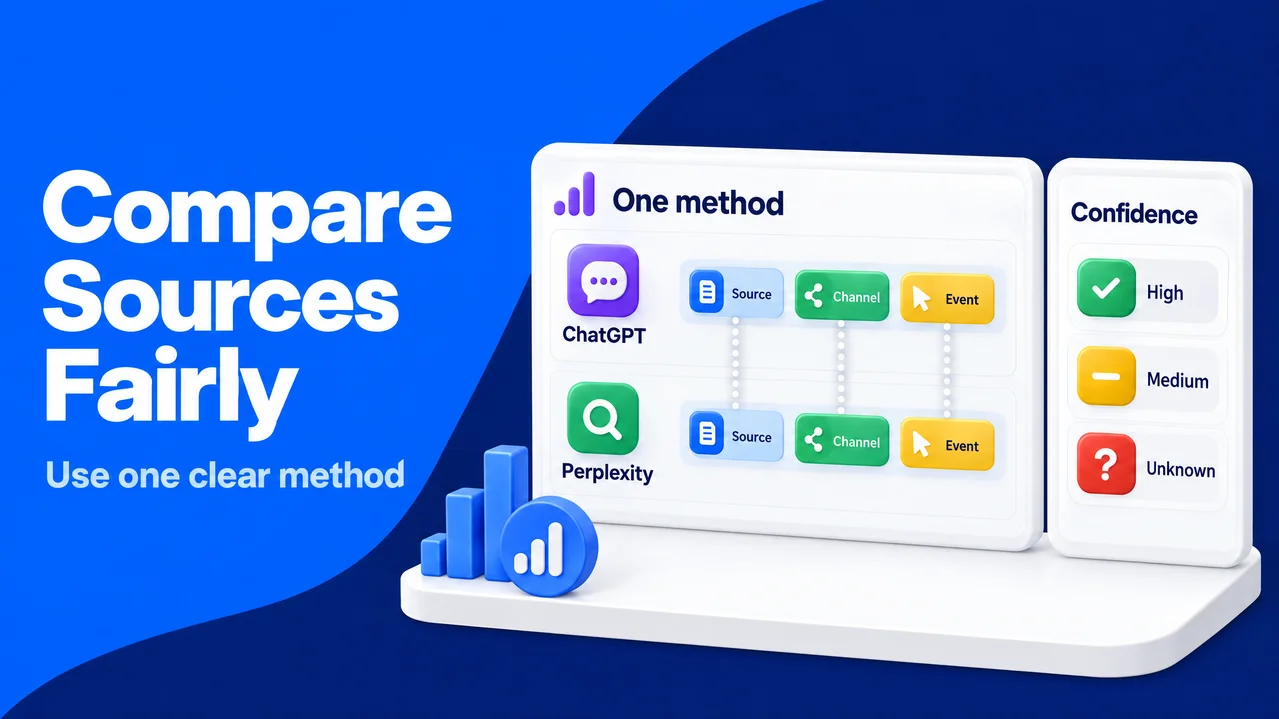
The phrase chatgpt and perplexity traffic analytics tools can suggest that you need a separate product for every assistant. In practice, a consistent measurement model often produces a clearer result. You can start with a free GA4 exploration and add a custom channel group for known AI signals.
GA4 explorations show the human session after a click. They are useful for landing pages, engagement, consent-aware events, and conversions. A custom channel group turns repeated source checks into a stable reporting view, but it only classifies what GA4 receives.
We recommend applying the same fields to ChatGPT and Perplexity: recognized referral domain, campaign parameter, channel, landing page, key event, and browser-session evidence. You can then add an attribution confidence label such as high, medium, or unknown. A high-confidence session has a recognized source and normal browser behavior. An unknown session lacks a reliable source signal and stays out of assistant-specific totals.
This comparison prevents a misleading scoreboard. ChatGPT may have more invisible traffic because referrers can be stripped, while Perplexity may produce more recognizable citation clicks on particular pages. It pays to report the observation method beside the count.
For a deeper setup, this guide to tracking ChatGPT traffic in GA4 can complement the shared framework without treating the assistants as identical sources.
Earn citations by making verification easy

Perplexity citations should be earned by pages that help a reader verify an answer. A useful page begins with a direct response to the main question, followed quickly by the definition, date, scope, and supporting evidence. The reader should not need to search through generic background copy to find the fact that led them there.
A useful habit is to give every time-sensitive fact a visible date and name the source beside the claim. If you publish original data, you can explain the collection period, sample, geography, exclusions, and limitations in plain language. Original reporting, transparent methodology, and accessible primary evidence provide something an answer engine can cite and a person can inspect.
You can add a short author or organization note where trust matters, especially for health, finance, legal, or other high-impact topics. We recommend checking quotations against the original material and updating pages when facts change. These steps are good for readers first. They also make it easier for systems that retrieve web material to locate a supported answer instead of guessing from an outdated sentence.
Research on generative engine optimization found that approaches including citations, quotations, and statistics could improve visibility in generated responses, with results up to 40% in that study. The GEO research paper can serve as a prompt for better evidence, not as a traffic promise. The study does not remove the need for relevance, editorial judgment, or a source that a reader can trust.
It pays to avoid shortcuts such as copied statistics, hidden keyword blocks, or invented expertise. They can make a brief answer look convenient while leaving the verification reader with nothing credible to inspect. Clear, accurate pages serve people and make citation more defensible at the same time.
A monthly checklist for Perplexity AI traffic
A monthly review keeps the work proportionate as AI referral patterns change. You can begin by comparing recognized Perplexity sessions with Referral, AI Assistant, and Direct trends. Next, you can inspect the leading landing pages and ask whether each page shows its answer, evidence, date, and author context without friction.
If any source rule changed, you can annotate the report before interpreting a movement in traffic.
Finally, you can use what you learn to improve the cited page for the next reader. Options include adding a clearer answer near the top, updating an aging fact, linking to the original source, or publishing the missing method behind a claim. Perplexity AI traffic becomes more useful when your measurement is honest and your content gives verification-minded people a reason to stay.